
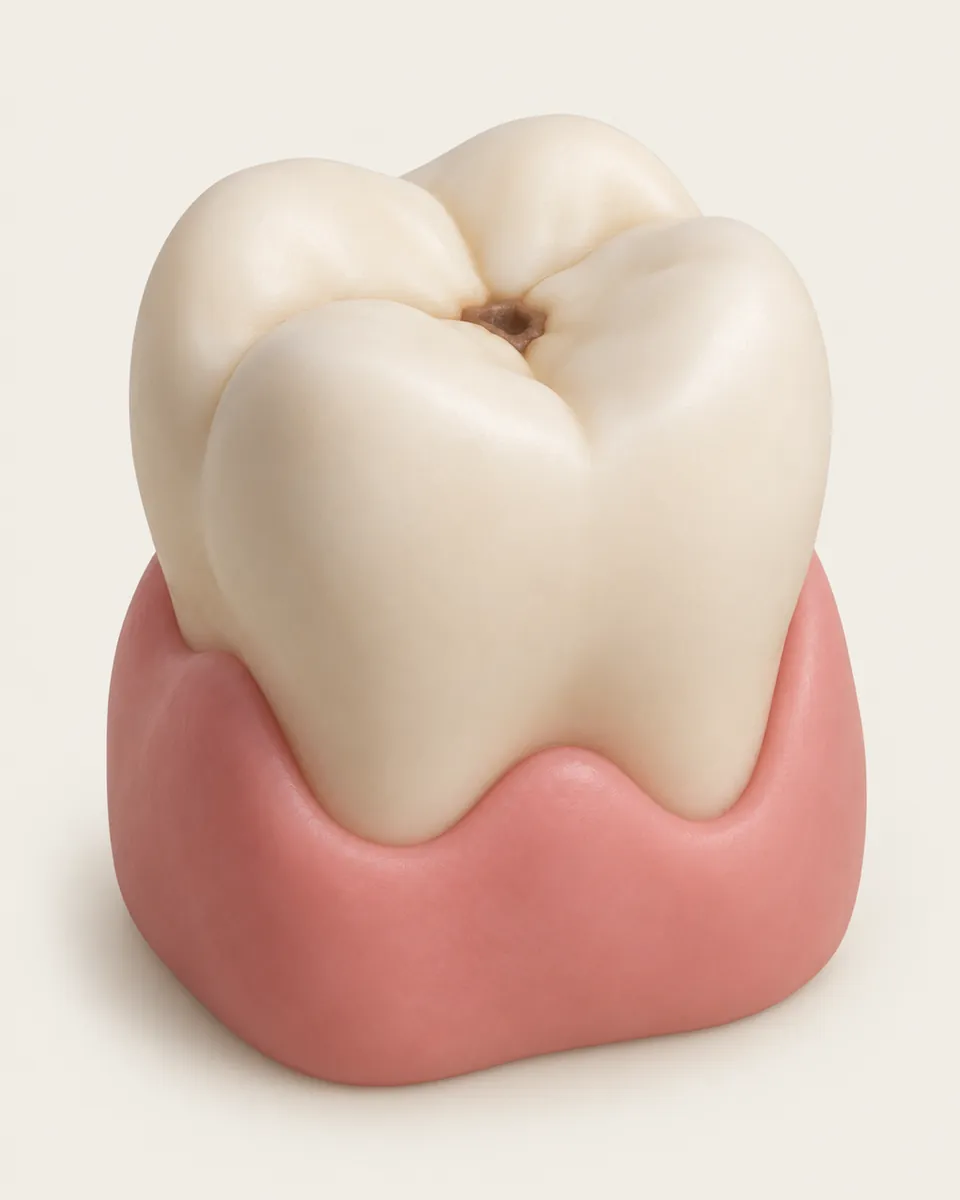
01
A small cavity
Decay that has not reached the nerve.
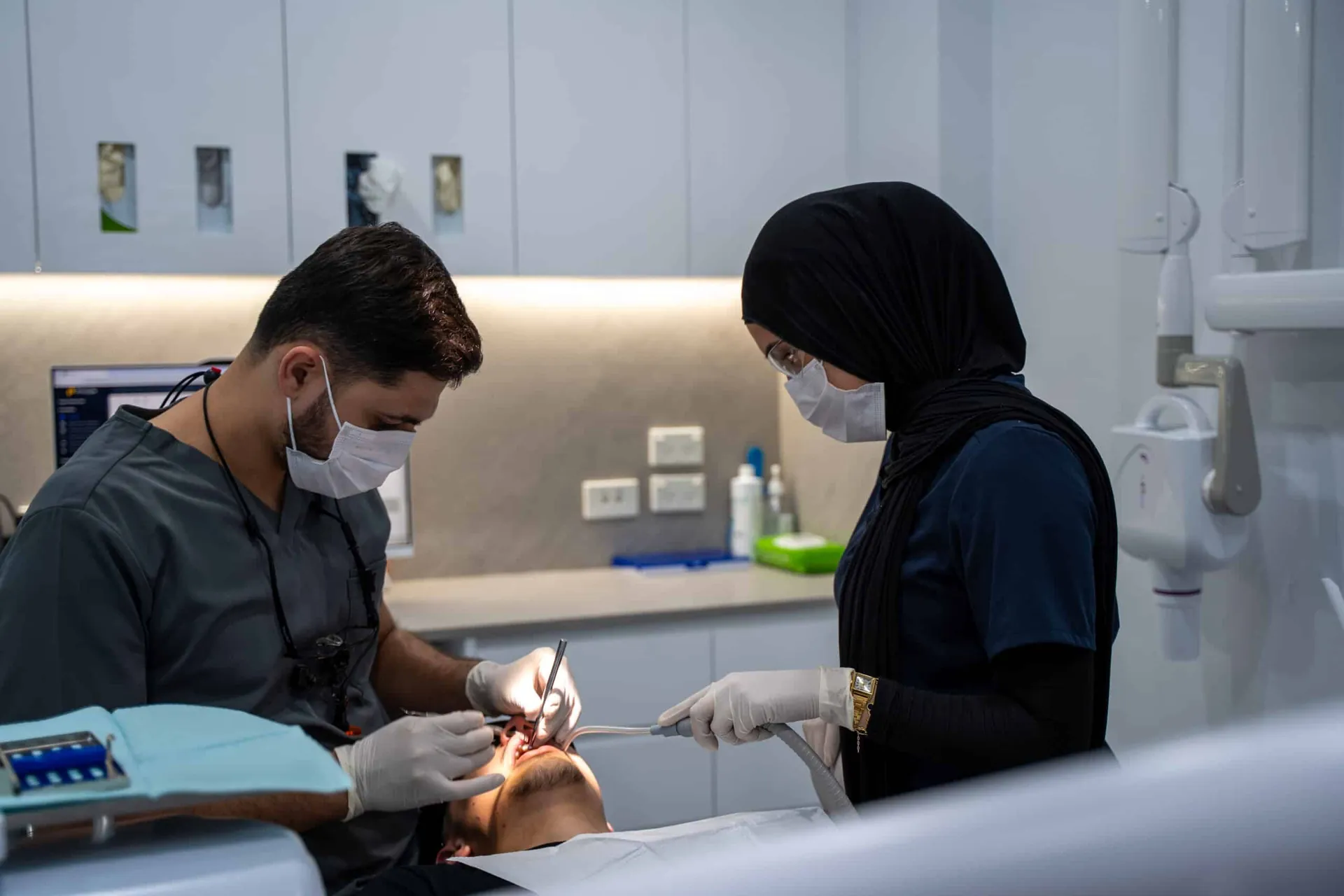
HAYAT DENTAL · BROADWAY, SYDNEY
A small cavity, worn filling or chipped edge deserves a clear plan. We assess the tooth and explain the filling materials suited to its size, position and bite.
GoogleRead our patient reviewsDigital X-rays
Assessment and planning
Upfront pricing
Health funds accepted
Gentle dental care
Comfort for anxious patients
Experienced dentists
Tooth-coloured fillings
ASSESSMENT · OPTIONS · CARE
A filling rebuilds part of a tooth affected by decay, wear or a small fracture. The aim is to restore a usable shape while preserving healthy tooth structure. A larger or deeply damaged tooth may need a different restoration.
IS A FILLING ENOUGH?
Fillings suit smaller areas of damage. Larger damage needs a stronger restoration.
A FILLING MAY HELP WITH
01
Decay that has not reached the nerve.
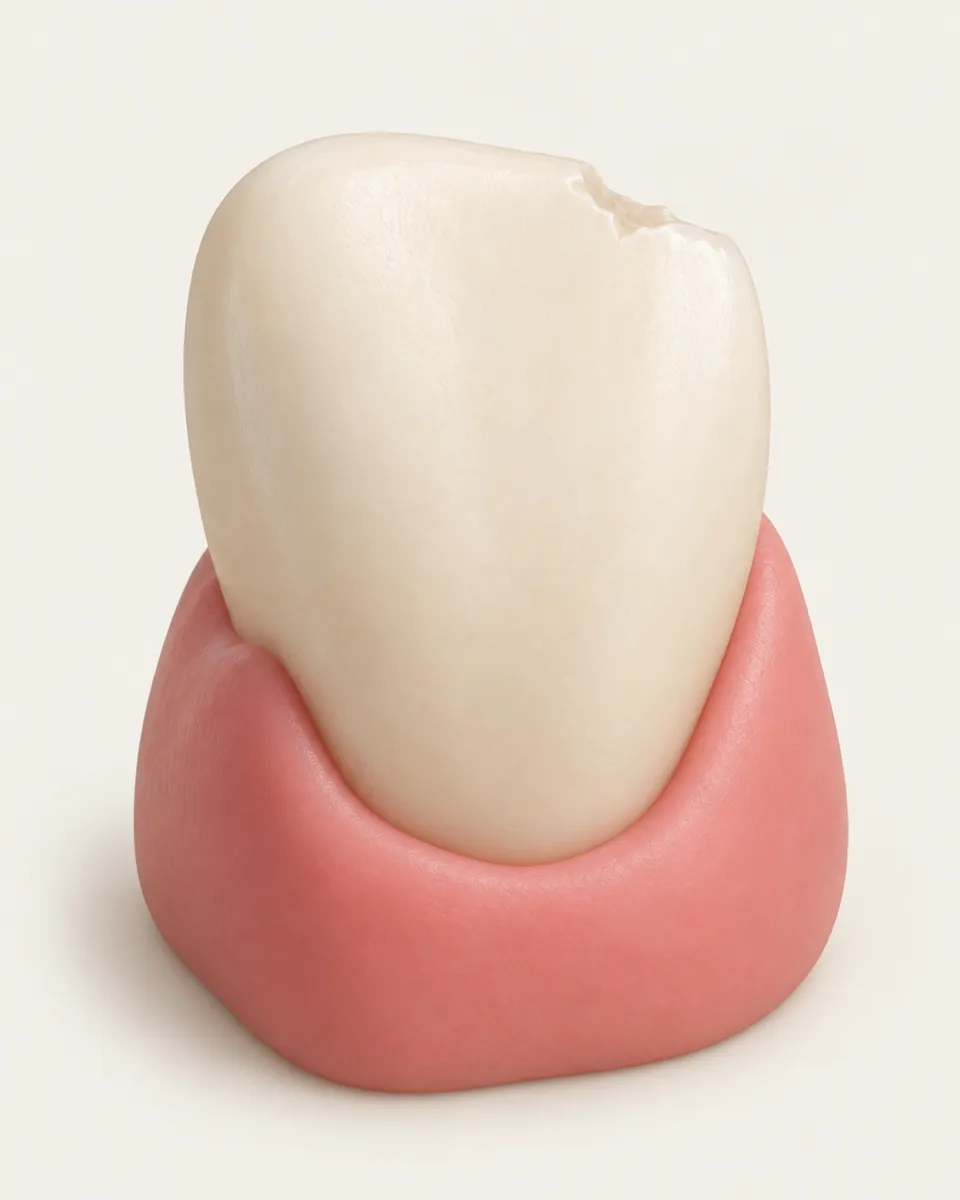
02
Small chips on front or back teeth.
03
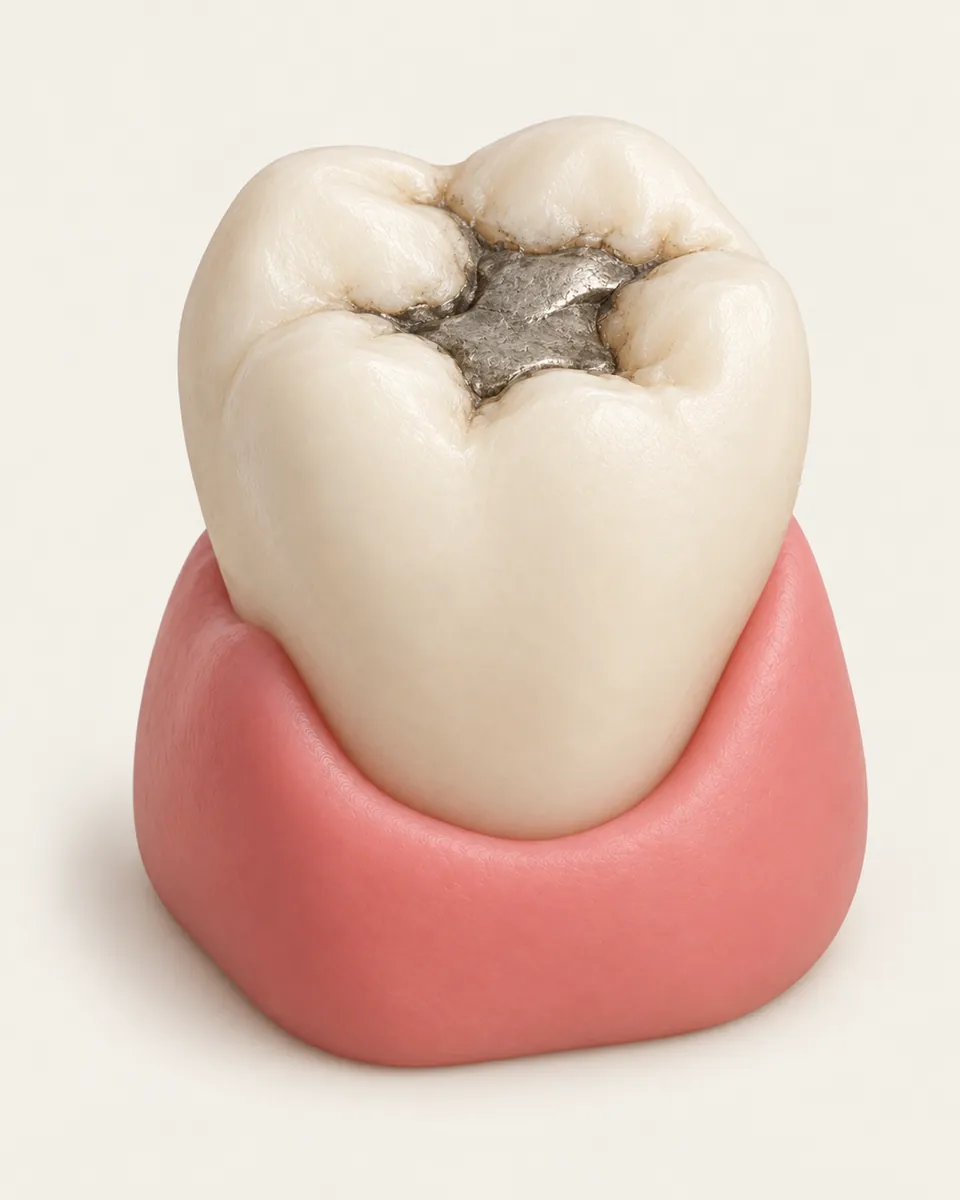
Worn, leaking or broken fillings.
CONSIDER INSTEAD
Your dentist will explain which treatment suits the problem.
UNDERSTAND YOUR OPTIONS
There is no single best material for every tooth. Your dentist considers how much tooth remains, the forces on it, appearance and moisture control.
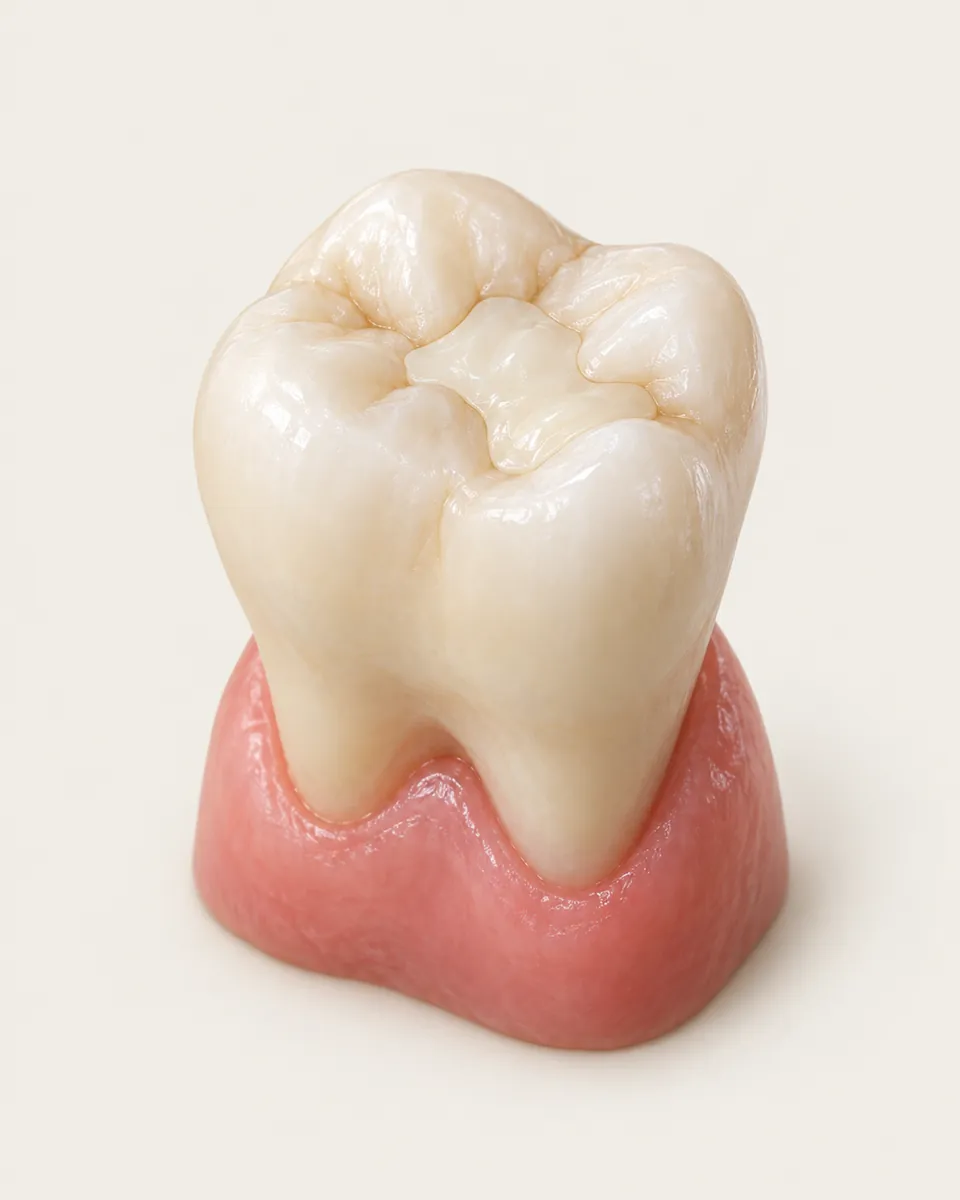
Placed directly
A tooth-coloured material shaped and bonded to the tooth during your appointment.
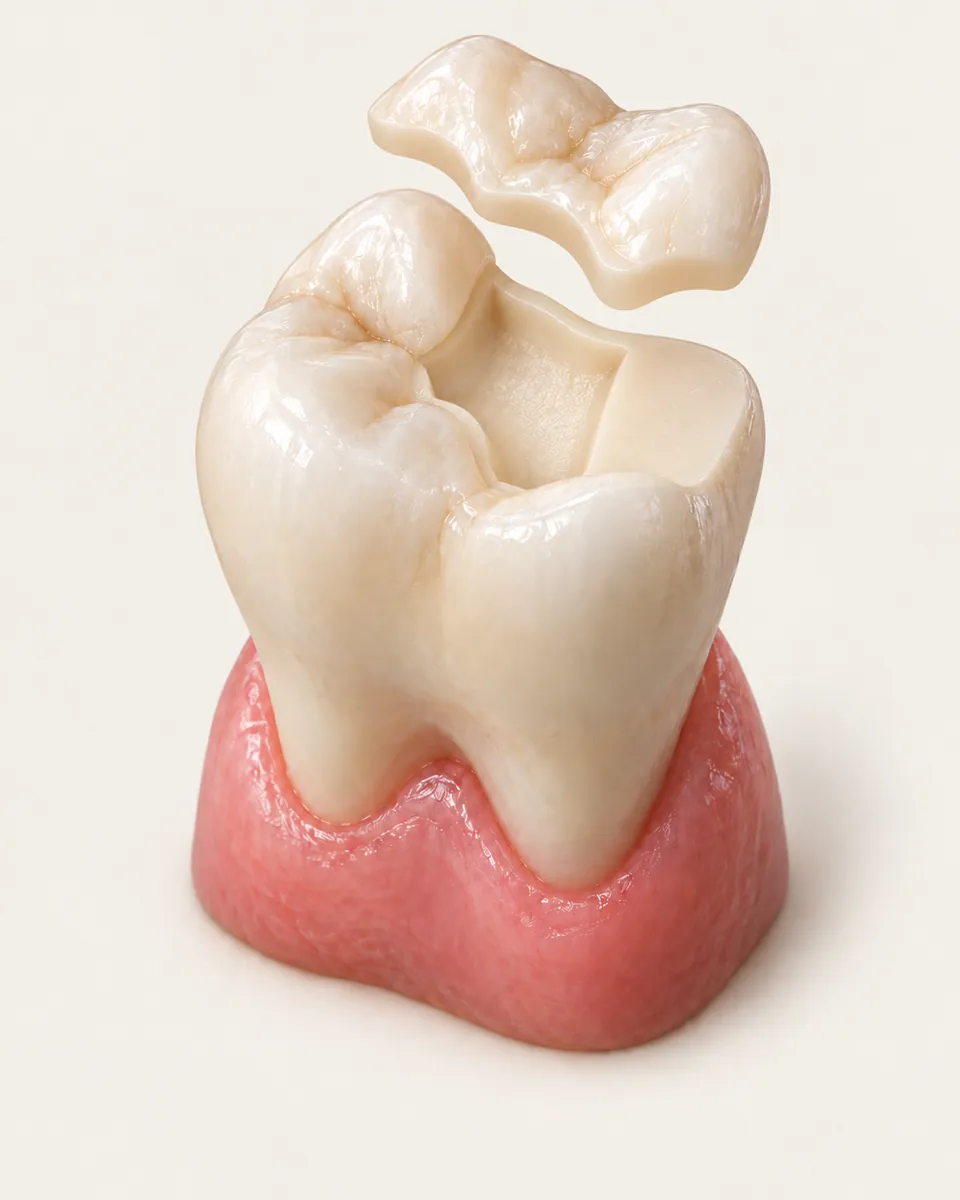
Made to fit
A custom restoration that replaces a larger missing portion of the tooth.
Glass ionomer may be useful for selected cavities or temporary restorations. Existing metal fillings do not automatically need replacement: their condition and the tooth around them should be assessed.
SENSITIVE OR CHIPPED?
We check the tooth, explain the material that suits it and give you an estimate first.
HOW A FILLING WORKS
A filling replaces the part of the tooth lost to decay or damage.
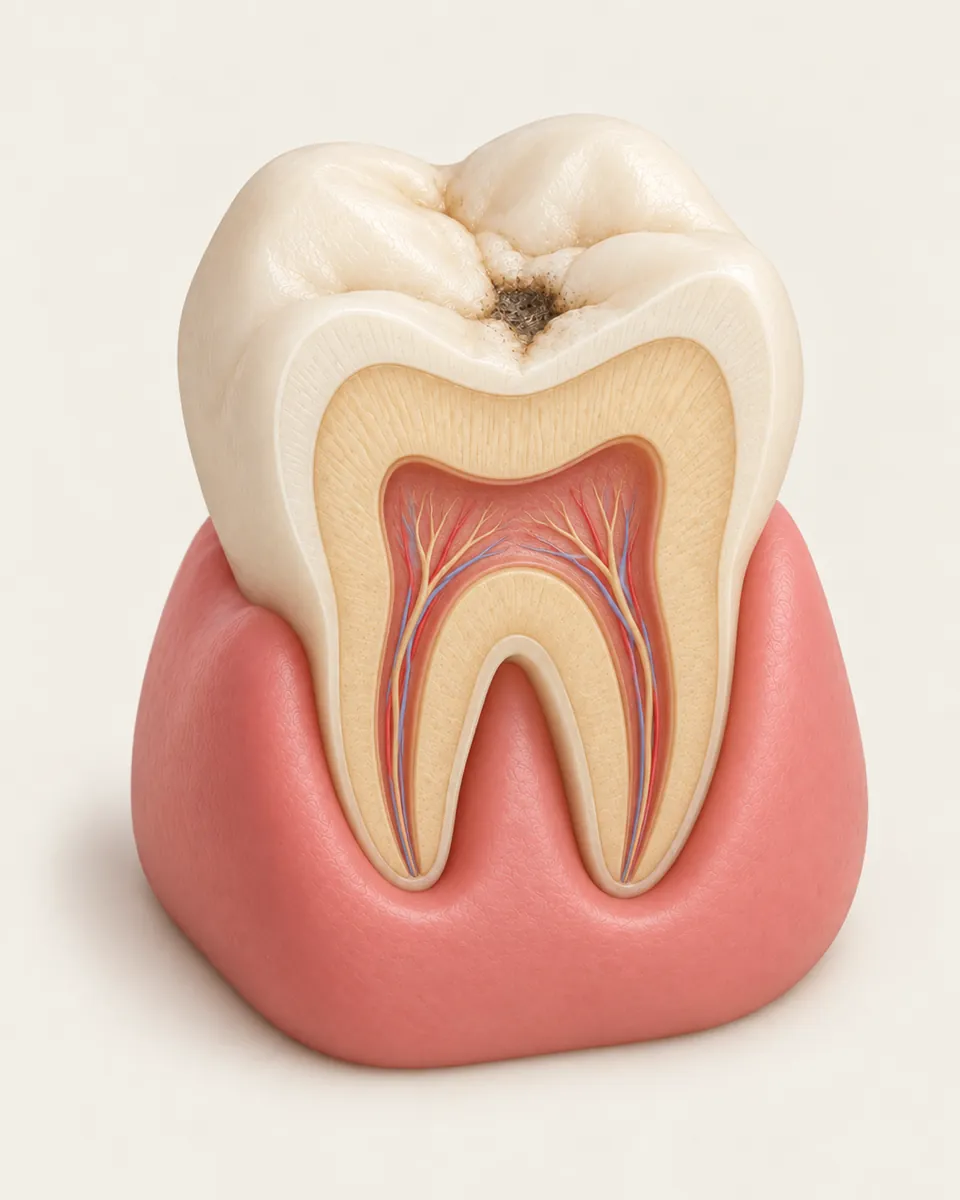
01
Early decay may cause sensitivity or no symptoms at all.
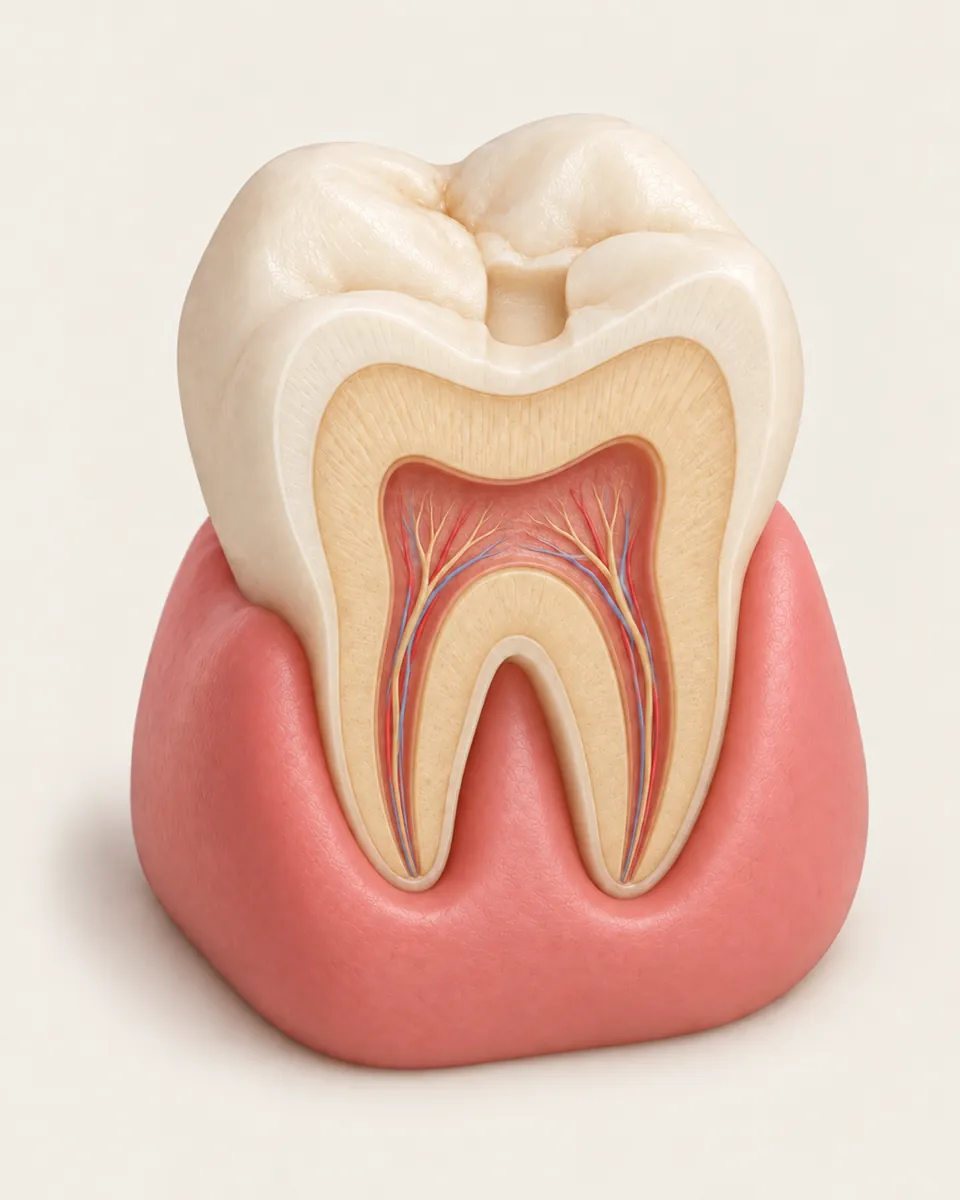
02
The decayed part is removed and the tooth is cleaned.
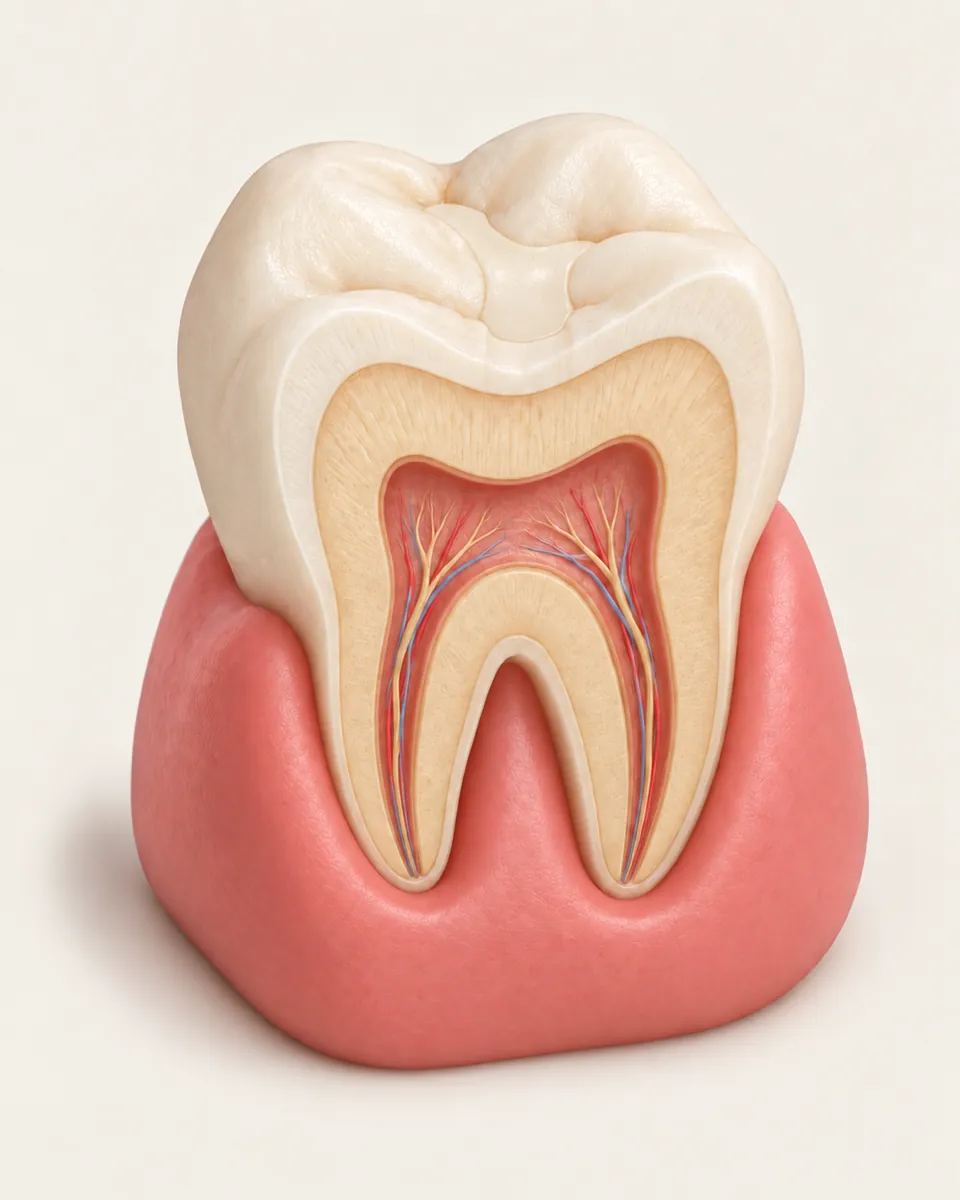
03
Tooth-coloured material is shaped and hardened to restore the tooth.
WHAT TO EXPECT
Understand the proposed treatment before you decide. Your visit is planned around the findings of your assessment.
01
Describe your symptoms and have the tooth examined. X-rays may help assess decay or an existing restoration.
02
Discuss the material, alternatives and estimate. Local anaesthetic can be used when needed.
03
The dentist removes damaged tissue as appropriate, places the restoration and checks the contact between neighbouring teeth.
04
The filling is adjusted and polished. You receive advice on eating, cleaning and any follow-up.
AFTER YOUR VISIT
Your dentist’s personalised advice takes priority.
ON THE DAY
Follow your dentist’s eating advice and avoid biting your lip or cheek while numb.
AS YOU SETTLE IN
Mild sensitivity can occur. Contact the clinic if the tooth feels high when you bite or symptoms persist or worsen.
LONGER TERM
Brush with fluoride toothpaste, clean between teeth and keep dental reviews. A filling does not prevent new decay.
A deep cavity can involve the pulp inside a tooth. If symptoms or examination findings suggest this, your dentist will explain whether root canal treatment or another option is needed.
PLAN WITH CONFIDENCE
The size and location of the cavity, material and number of teeth being repaired affect the fee. Ask for a written treatment estimate before proceeding.
Make an enquiryA GOOD PLACE TO START
Book a check and we’ll explain whether a filling, onlay or crown suits the tooth.
Shop 1/180–182 Broadway, Chippendale
A LITTLE MORE CLARITY
Early changes in enamel may sometimes be managed with preventive care. A cavity that has progressed may need restoration. An examination establishes which approach suits the tooth.
Fillings are not lifetime restorations. Wear, damage or decay at the edges may eventually require repair or replacement; routine reviews help assess this.
A small chip may be suitable for a filling or bonding. A larger fracture needs assessment to decide whether a crown or other treatment can support the tooth. Read about broken teeth.
A filling may not provide enough support. Your dentist can explain options such as an onlay or dental crown, depending on the condition of the tooth.
EXPLORE RELATED CARE
Larger damage may need a different restoration.
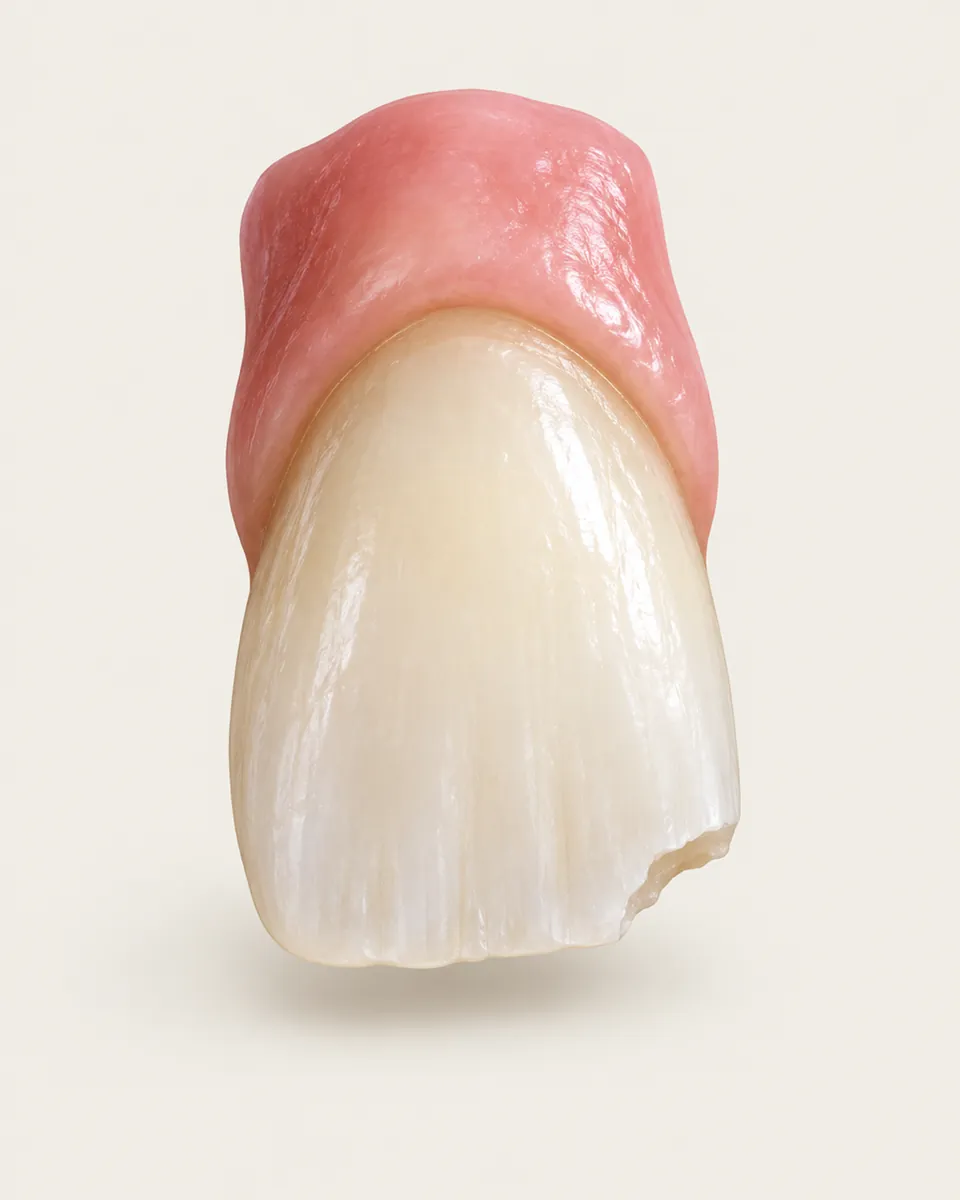 Broken toothAssessment and repair for chips and cracks.Learn about broken tooth
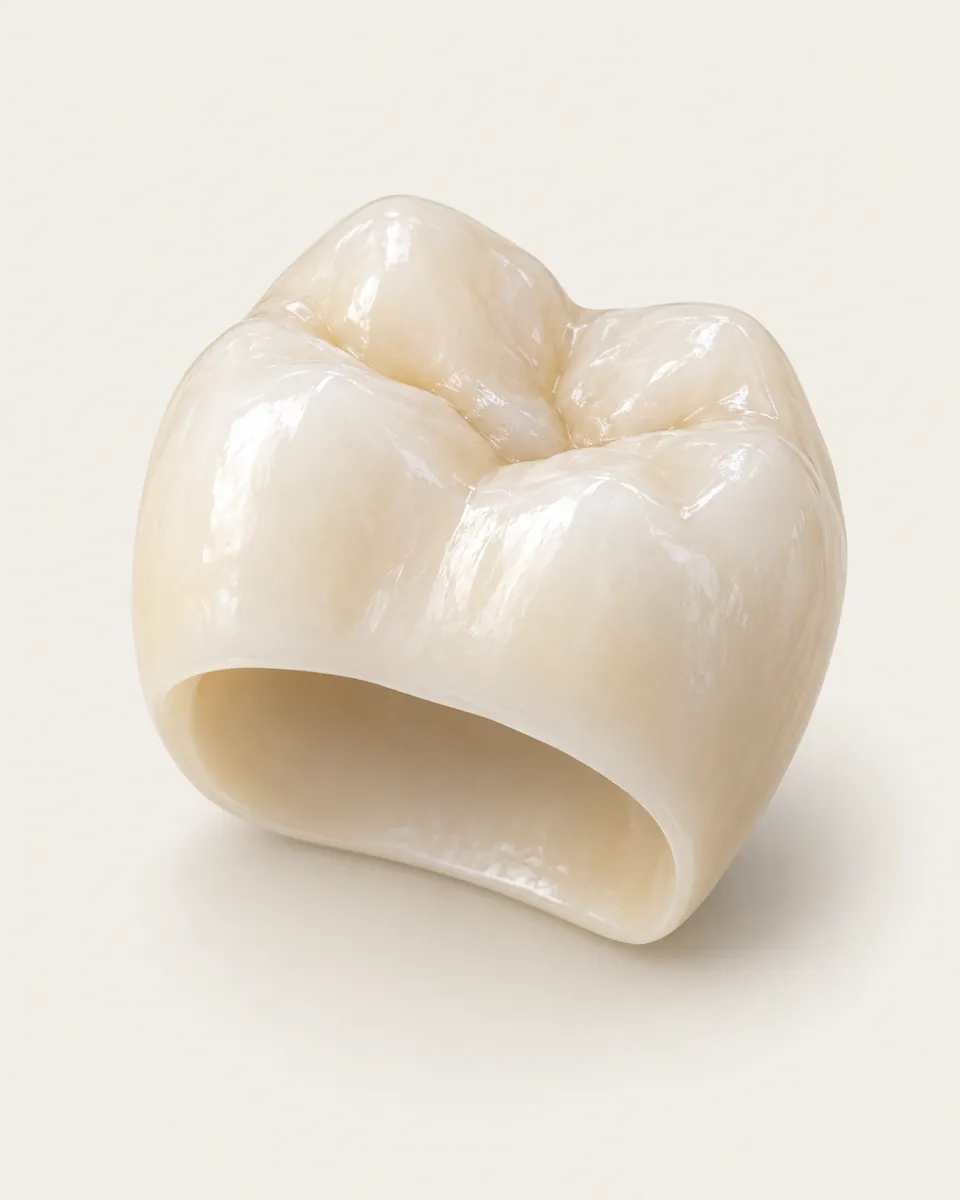 Dental crownsCoverage for a tooth with little structure left.Learn about dental crowns
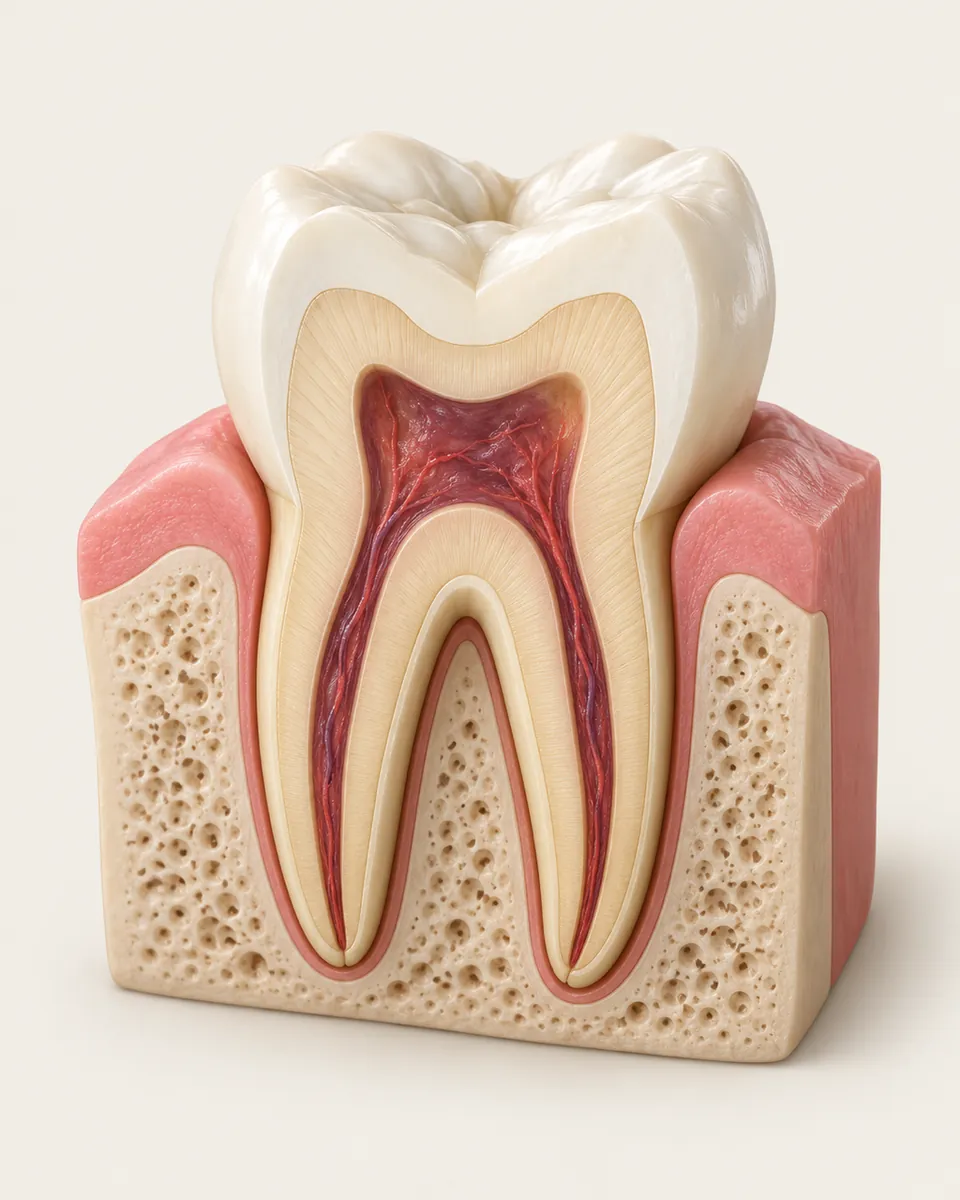 Root canal treatmentWhen decay reaches the pulp.Learn about root canal treatment
 Check-up & cleanRegular reviews help catch problems early.Learn about check-up & clean
MAKE AN ENQUIRY
Send an enquiry and our team will contact you. To book an appointment, use our online booking portal. For urgent availability, please call the clinic.