Sedation and local anaesthetic work together
For many procedures, both are used. The local anaesthetic controls pain in the treatment area, while sedation may help you feel calmer during the appointment.
HAYAT DENTAL · BROADWAY, SYDNEY
If dental visits make you anxious, sedation may help you feel calmer during treatment. We explain the options, preparation and costs so you can decide without pressure.
Local anaesthetic
For most treatment
IV sedation
Discussed where suitable
Written costs
Before you commit
Fewer visits
Where treatment allows
Understanding sedation
Sedation changes how relaxed and aware you feel during treatment. Local anaesthetic does something different, it numbs the tooth and gum so the treatment area does not hurt. The right pathway depends on your treatment, your health and what you actually need help with.
For many procedures, both are used. The local anaesthetic controls pain in the treatment area, while sedation may help you feel calmer during the appointment.
Twilight sedation, sleep dentistry and conscious sedation are often used interchangeably. In conscious sedation, you stay able to breathe independently and respond, even if you feel very relaxed.
Being fully unconscious requires a general anaesthetic in a hospital or day-surgery setting. Your consultation helps determine whether that is necessary or appropriate.
Compare your options
The right approach depends on the treatment, how long it is expected to take, how well you tolerate dental care and your general health.
OPTION 1
The standard approach for most dental treatment. The area is thoroughly numbed while you remain fully awake and in control. You may still feel pressure or movement, but the treatment area should remain numb.
OPTION 2
IV or twilight sedation may be considered for longer or more involved treatment, or when dental treatment is particularly difficult to tolerate. You remain conscious and breathe independently while feeling deeply relaxed.
Discussed and arranged when clinically appropriate
OPTION 3
For some extensive or complex procedures, treatment under general anaesthetic in a hospital or day-surgery setting may be appropriate. In this setting you are fully unconscious during the procedure.
Hospital or day-surgery pathway where required
Is it for you?
Sedation is not automatically the right choice for every patient. We first consider the treatment itself, how difficult the appointment may be for you and whether your medical history makes sedation appropriate.
YOU DON’T NEED TO COMMIT
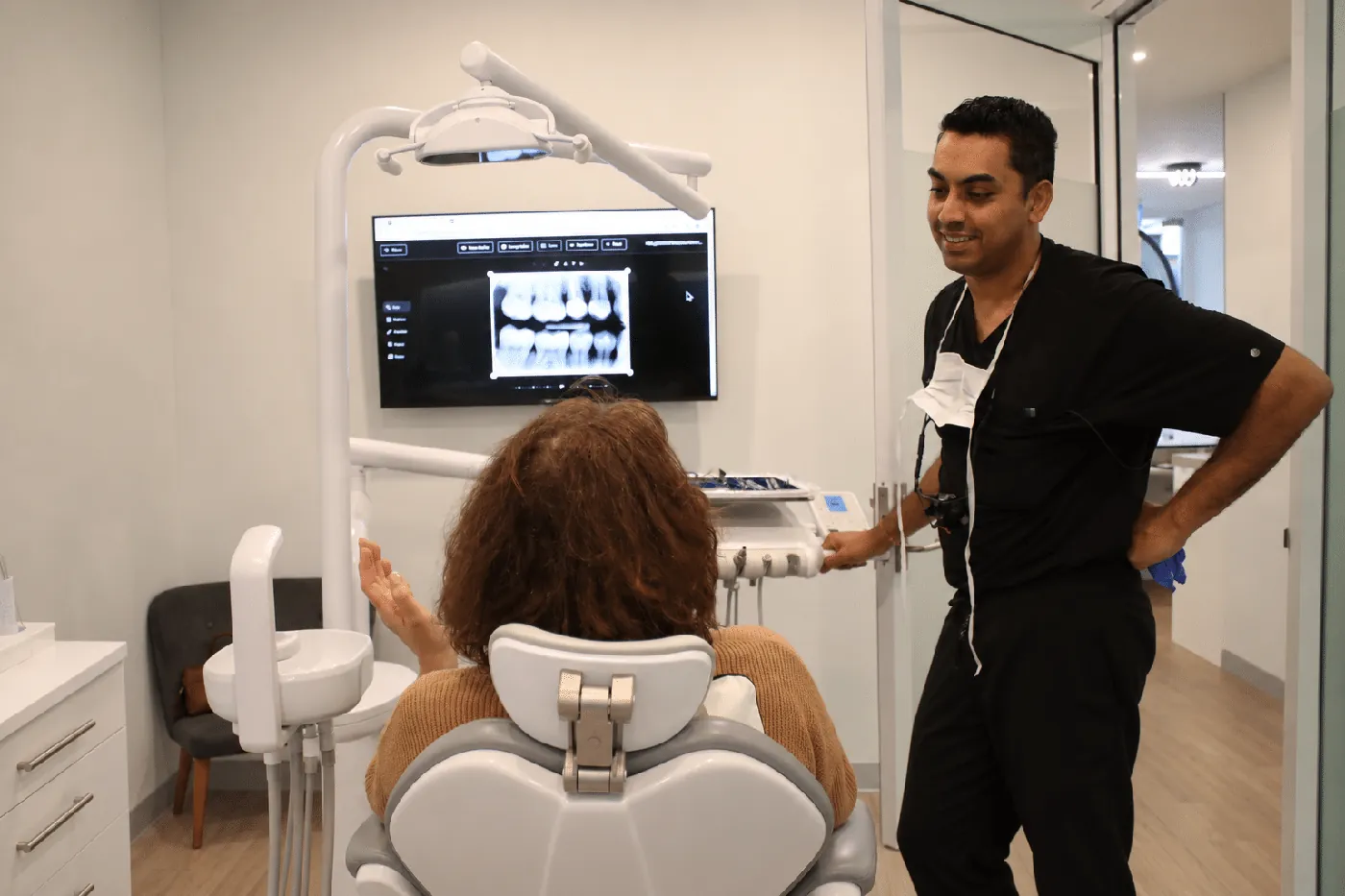
We’ve been patients ourselves, so we know how it feels. Talk through your worries, your medical history and the options, then decide in your own time.
Common treatments
Sedation is not tied to one dental procedure. It is usually considered because of the complexity, duration or how difficult the treatment may feel for the individual patient.
01
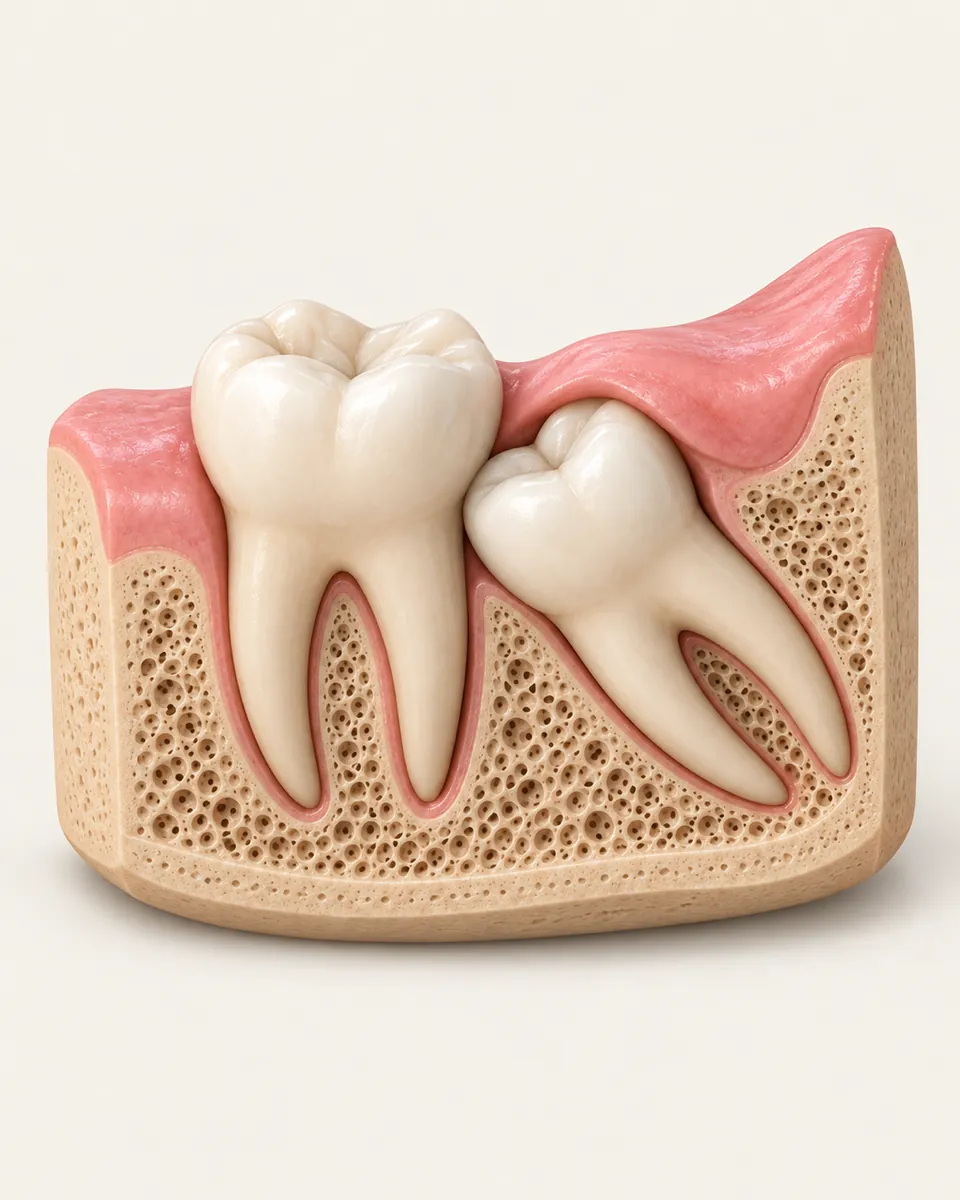
Particularly impacted teeth or several teeth being removed at once.
02
For more complex extractions where a longer appointment may be required.
03
Longer procedures where comfort and appointment tolerance are important.
04
For patients who find longer restorative appointments difficult to tolerate.
05
When several fillings are being completed in one extended appointment.
06
Deep cleaning or periodontal treatment that may require longer visits.
Safe sedation care
Dental sedation is well established, but suitability depends on proper assessment. Your health, medications, breathing, previous reactions and treatment needs all form part of the decision.
01
Include prescription medicines, over-the-counter products, supplements and anything prescribed by another doctor.
02
Heart, lung, breathing and sleep-related conditions are particularly important when assessing sedation suitability.
03
If fasting is required, the instructions are part of the safety process rather than a formality.
04
After sedation, you may need someone to take you home and follow the post-treatment restrictions you are given.
COMFORT OPTIONS
We start with the lightest option that suits you. Suitability depends on your treatment and medical history.
Comfort measures
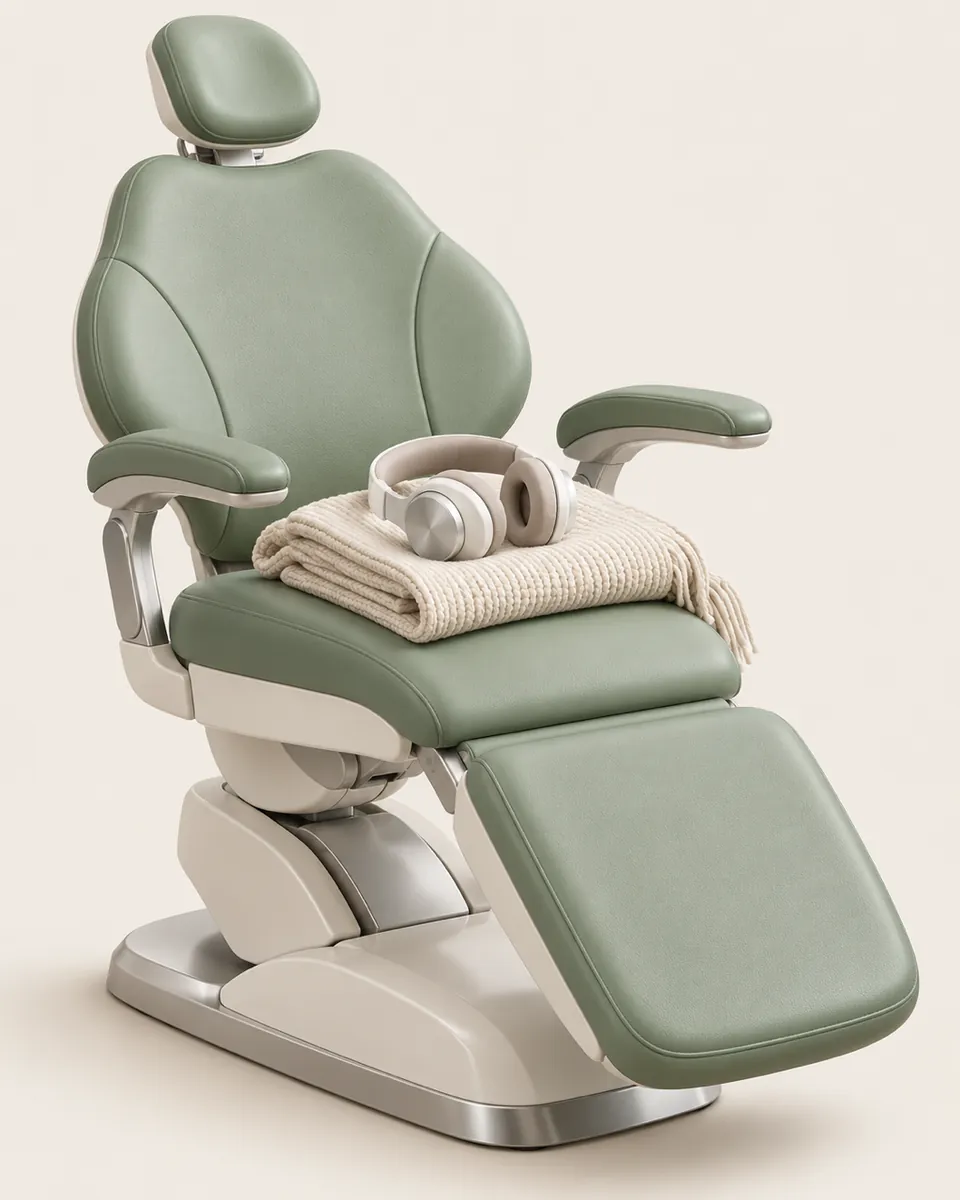
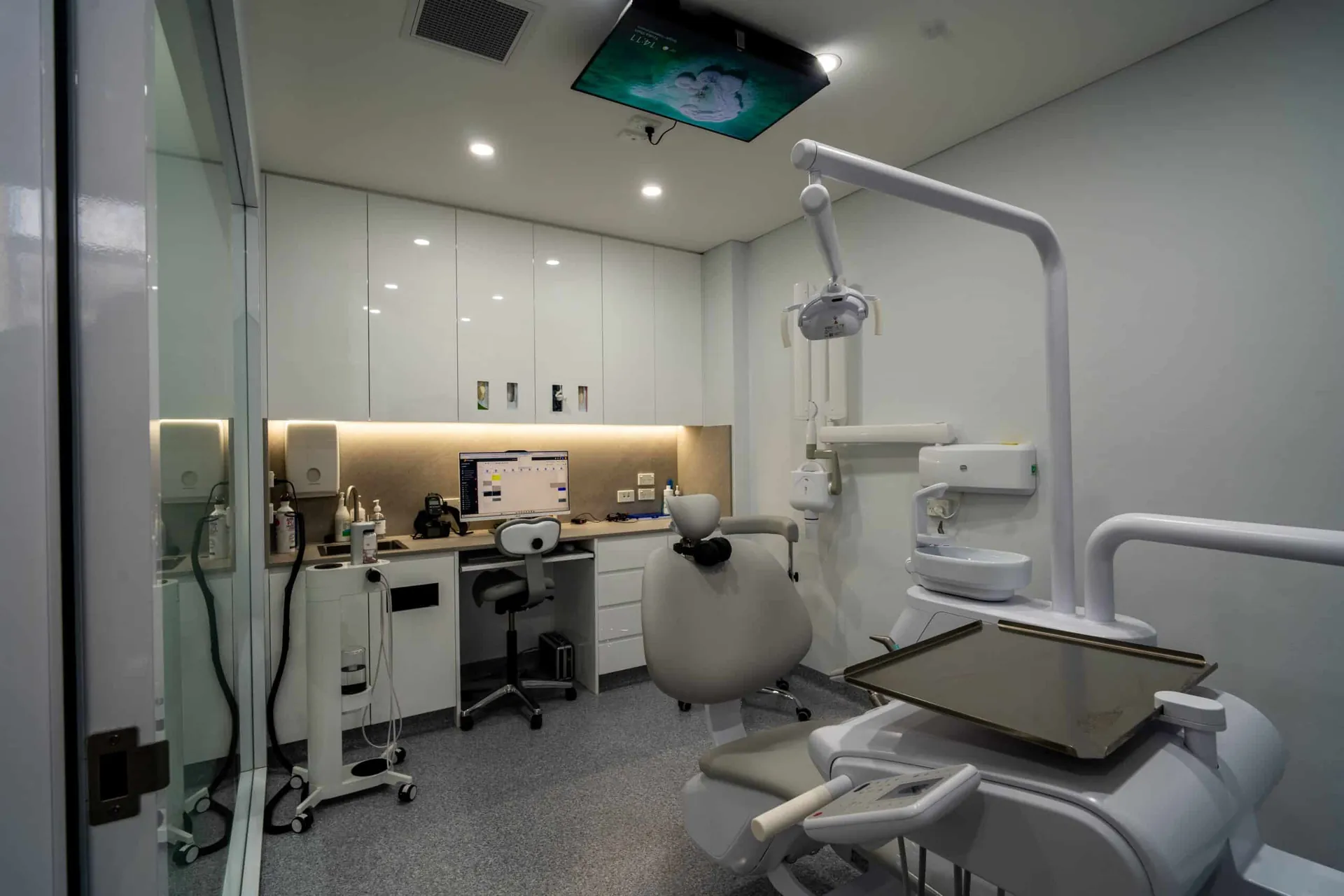
Headphones, the ceiling TV, warm blankets, stress balls to hold and aromatherapy diffusers, so the room doesn’t smell like a surgery. Every step is explained first.
Sedation options
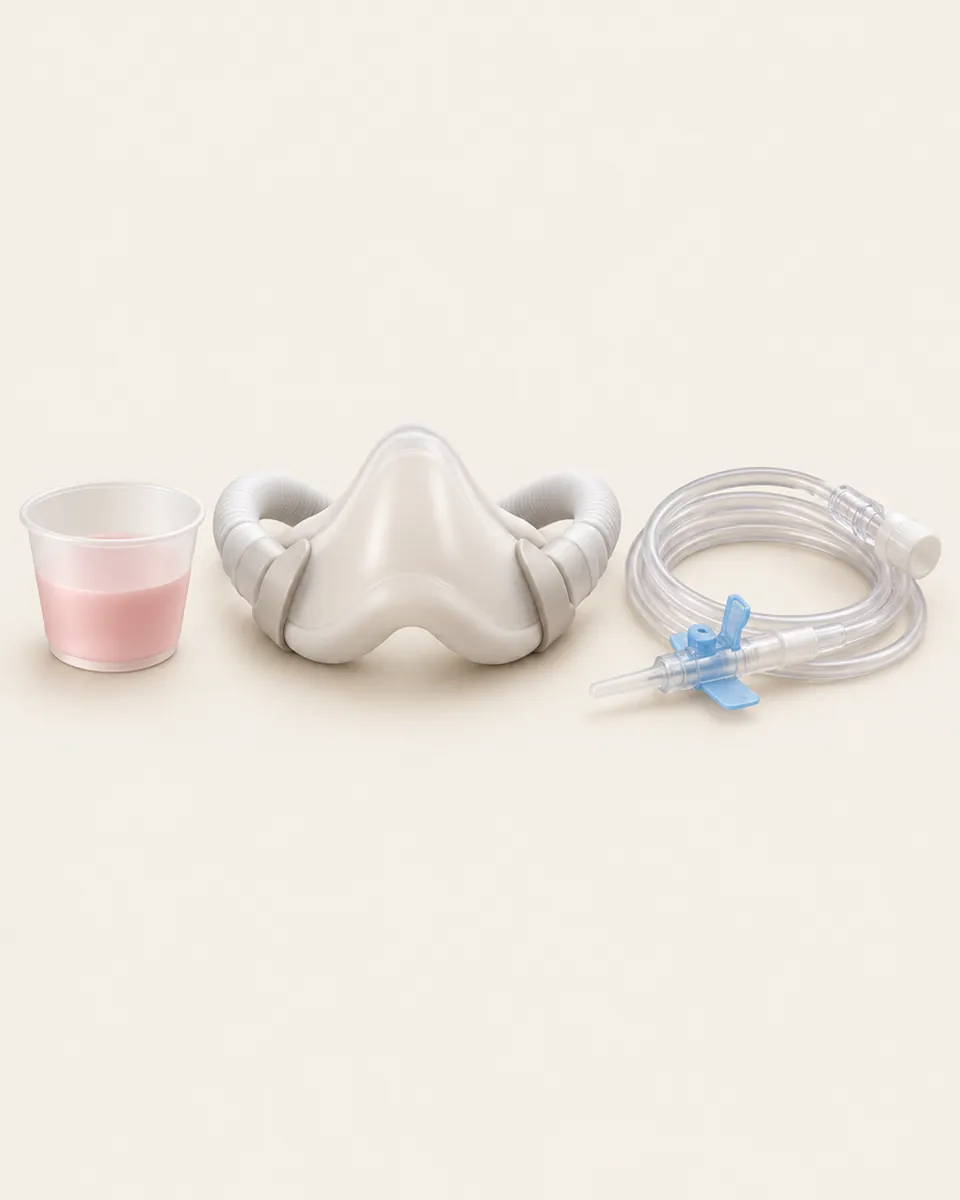
From nitrous oxide (happy gas) for milder nerves, discussed at your assessment based on your needs and health.
IV sedation
With our anaesthetist, for very anxious patients or longer, more involved treatment, where appropriate.
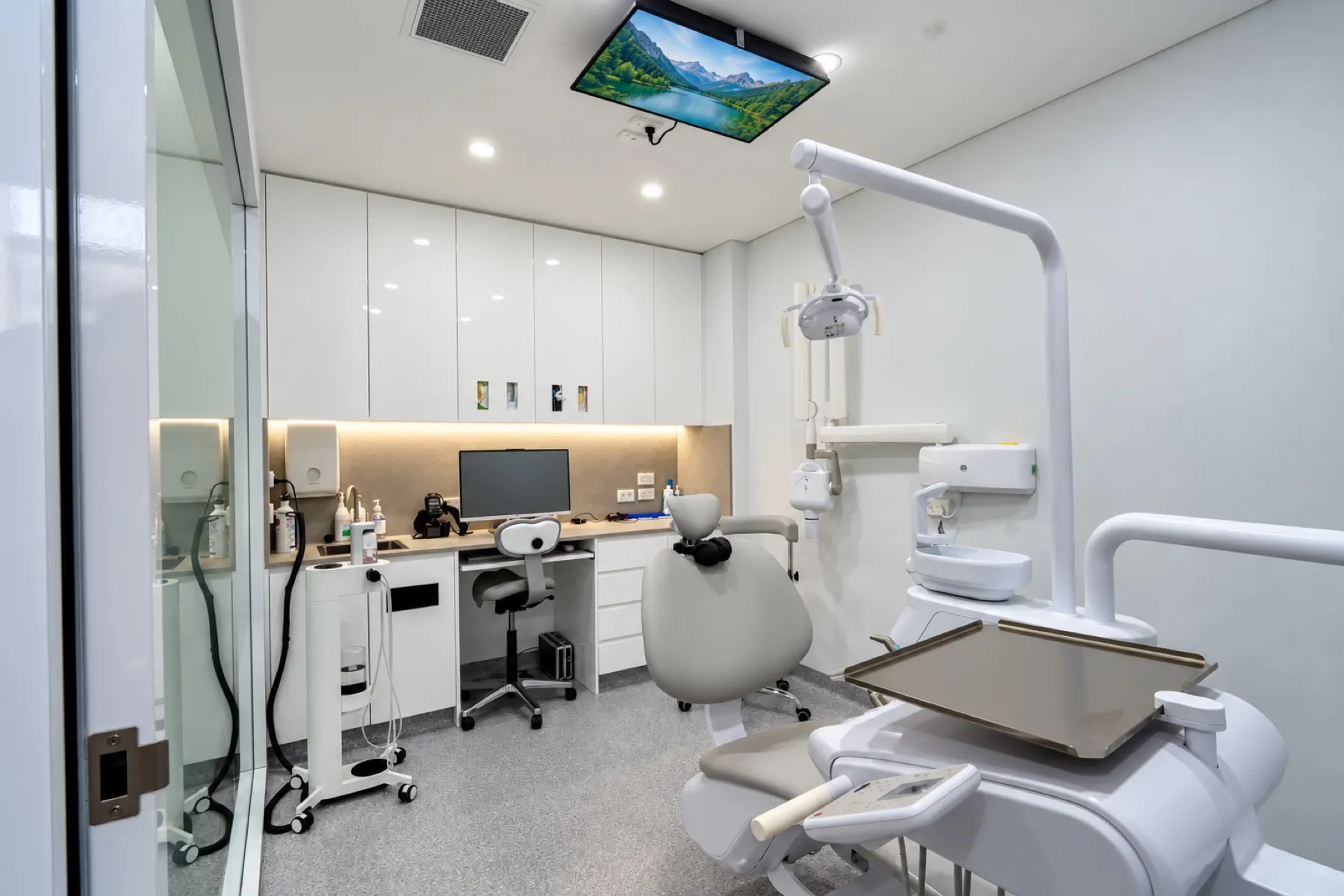
MEET THE TEAM
Tell us if you feel anxious. Each clinician explains every step and goes at your pace.
15+
years’ experience for Dr Abhishek
3
clinicians under one roof
Not sure who to see?
Tell us what’s bothering you and we’ll book the right clinician.
Meet the whole team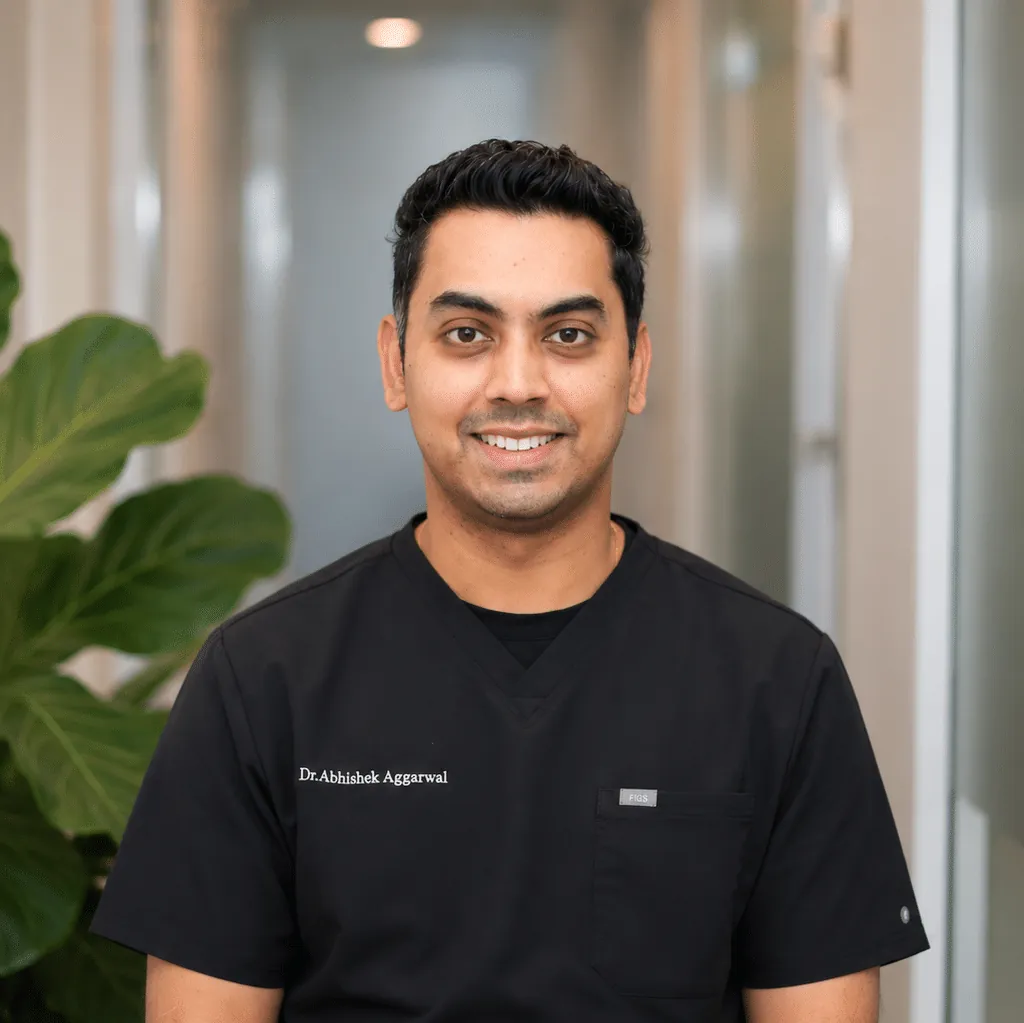
Dentist · BDS, GDD Implants
More than 15 years of dental experience across Sydney, with interests in implant dentistry, oral surgery, full-mouth rehabilitation and cosmetic dentistry.
Dental implants
Wisdom teeth
Cosmetic
Dentist · BDS, MFDS
A warm, personalised approach, with a special interest in Invisalign and helping nervous patients feel comfortable.
Invisalign
Root canal
Anxious patients
Founder & Oral Health Therapist
Thorough, personalised care with interests in gum health, children’s dentistry and fillings. Speaks English and Farsi.
Gum health
Children
Check-ups
A GOOD PLACE TO START
Tell us when you book. We’ll plan the visit around what helps you feel comfortable.
REAL PATIENT CASES
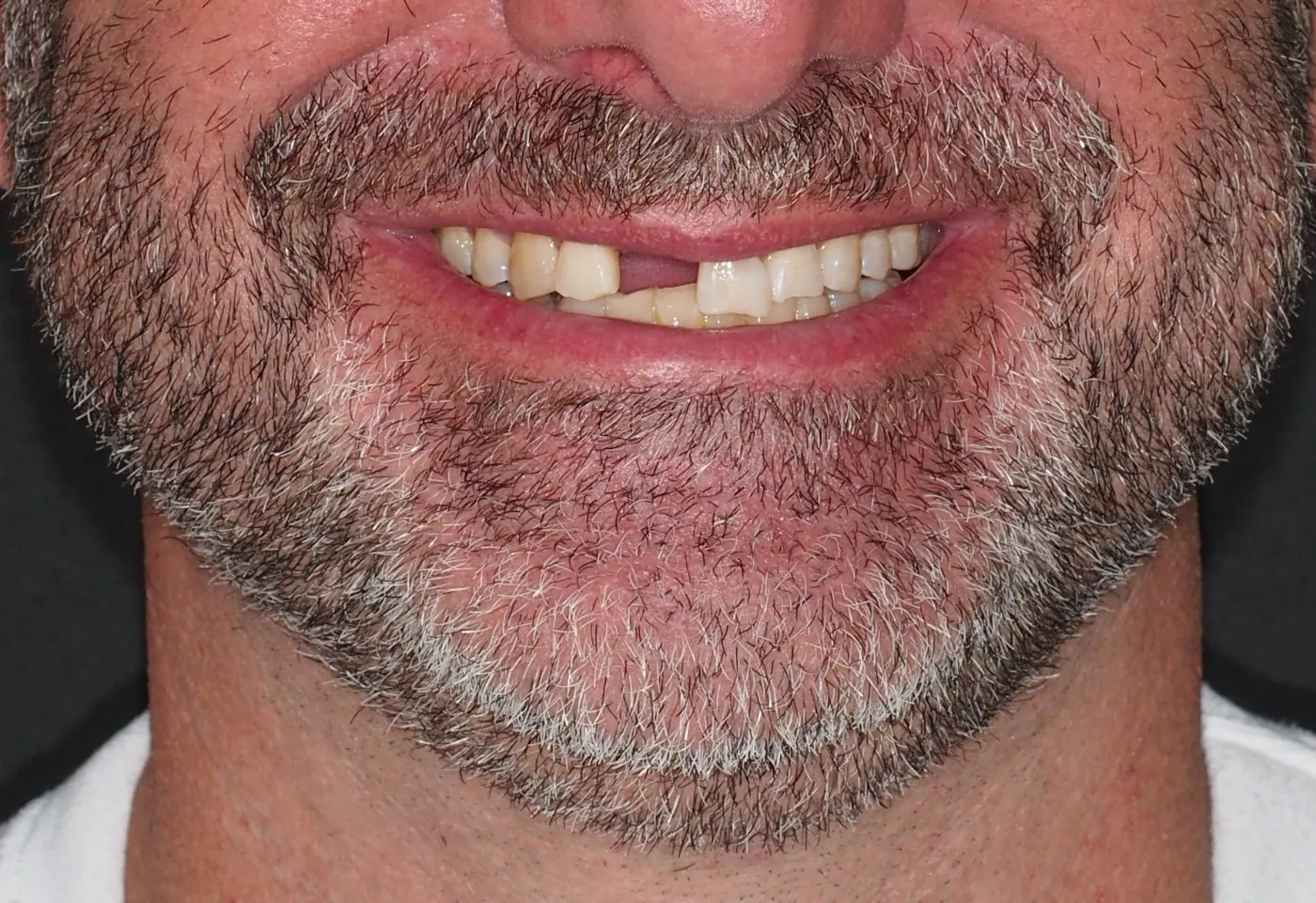 Before
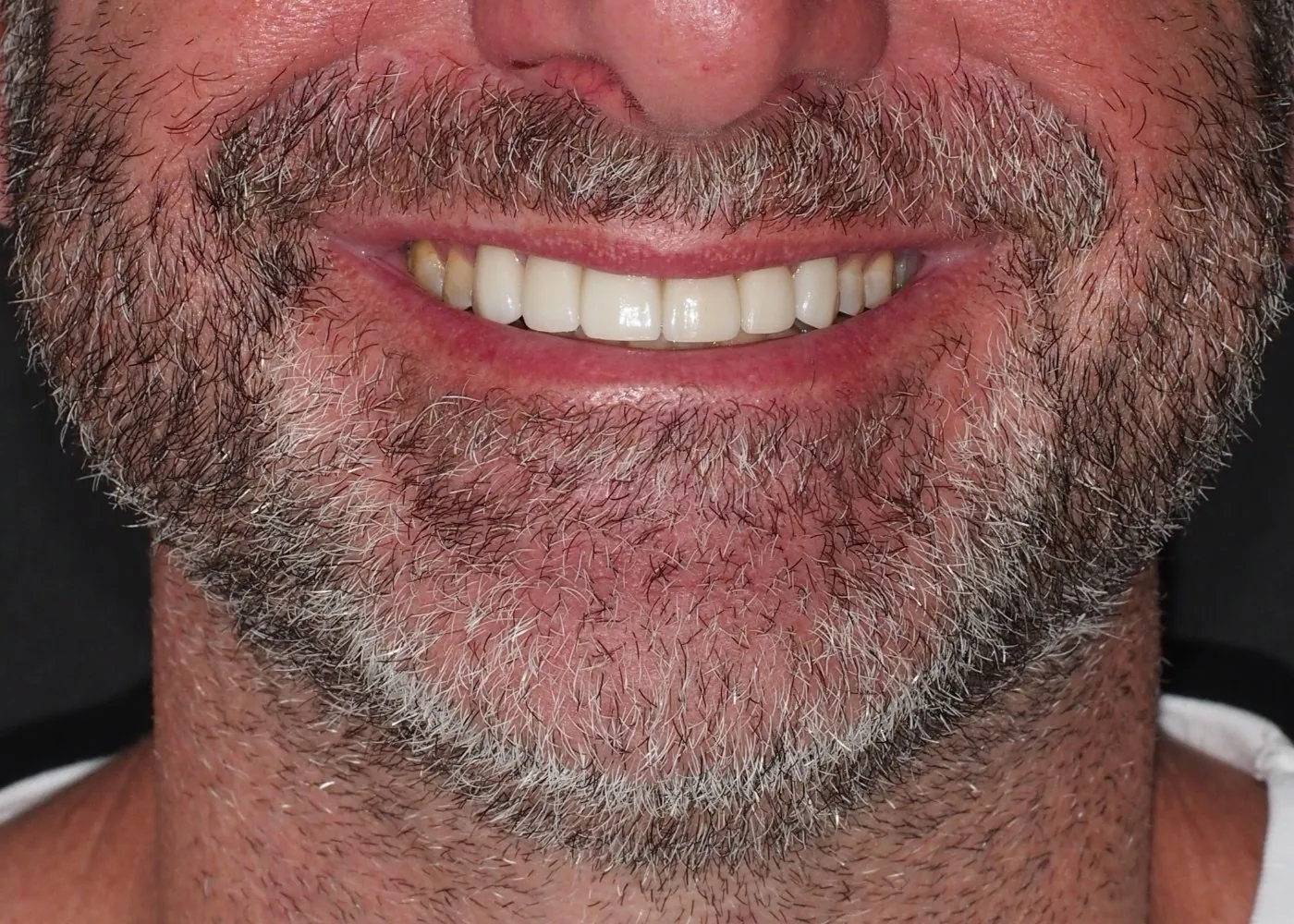 AfterImplant, crowns and Invisalign with sedationAn implant, crowns and Invisalign under IV sedation for a nervous patientAbout 12 months
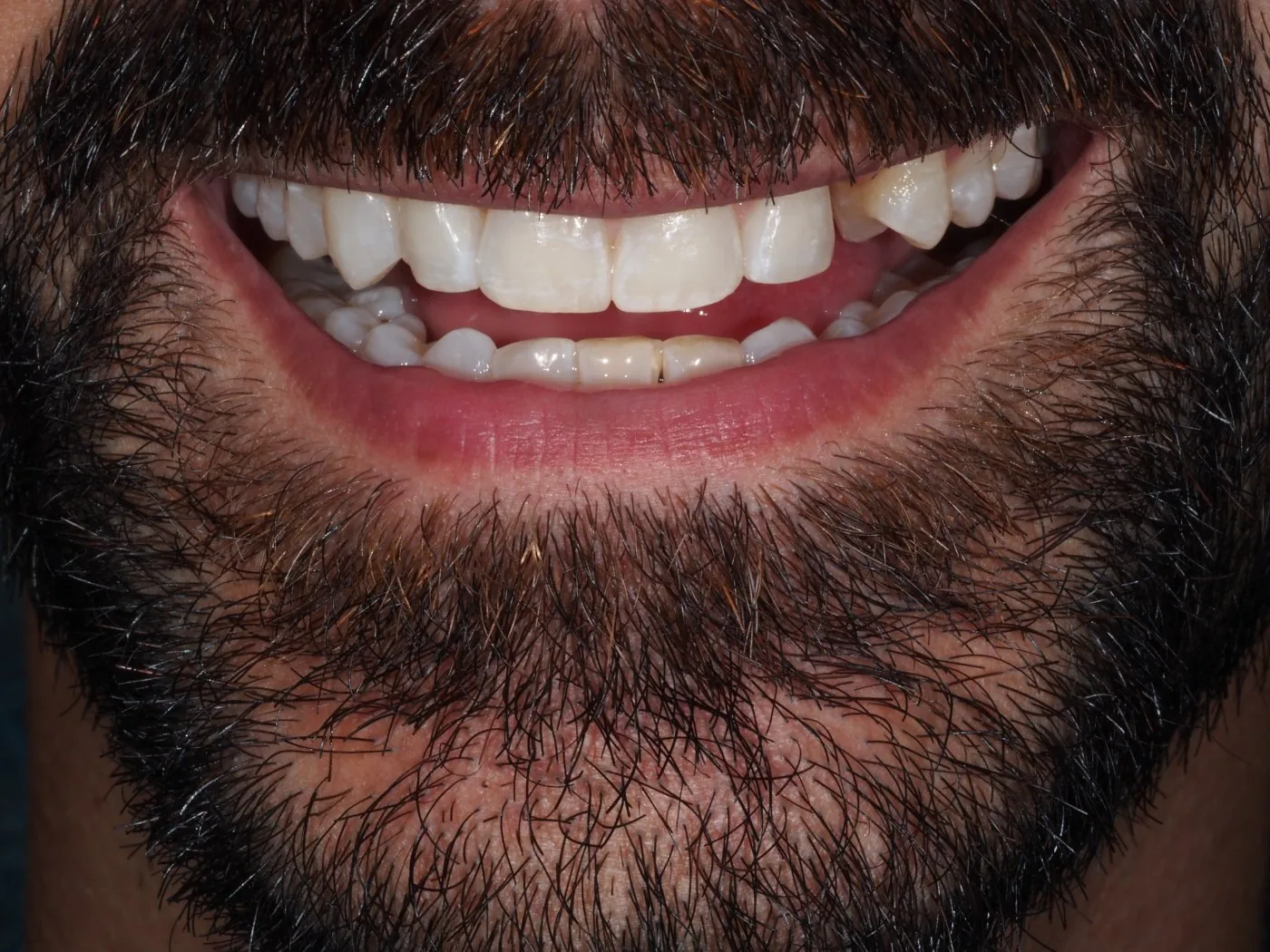 Before
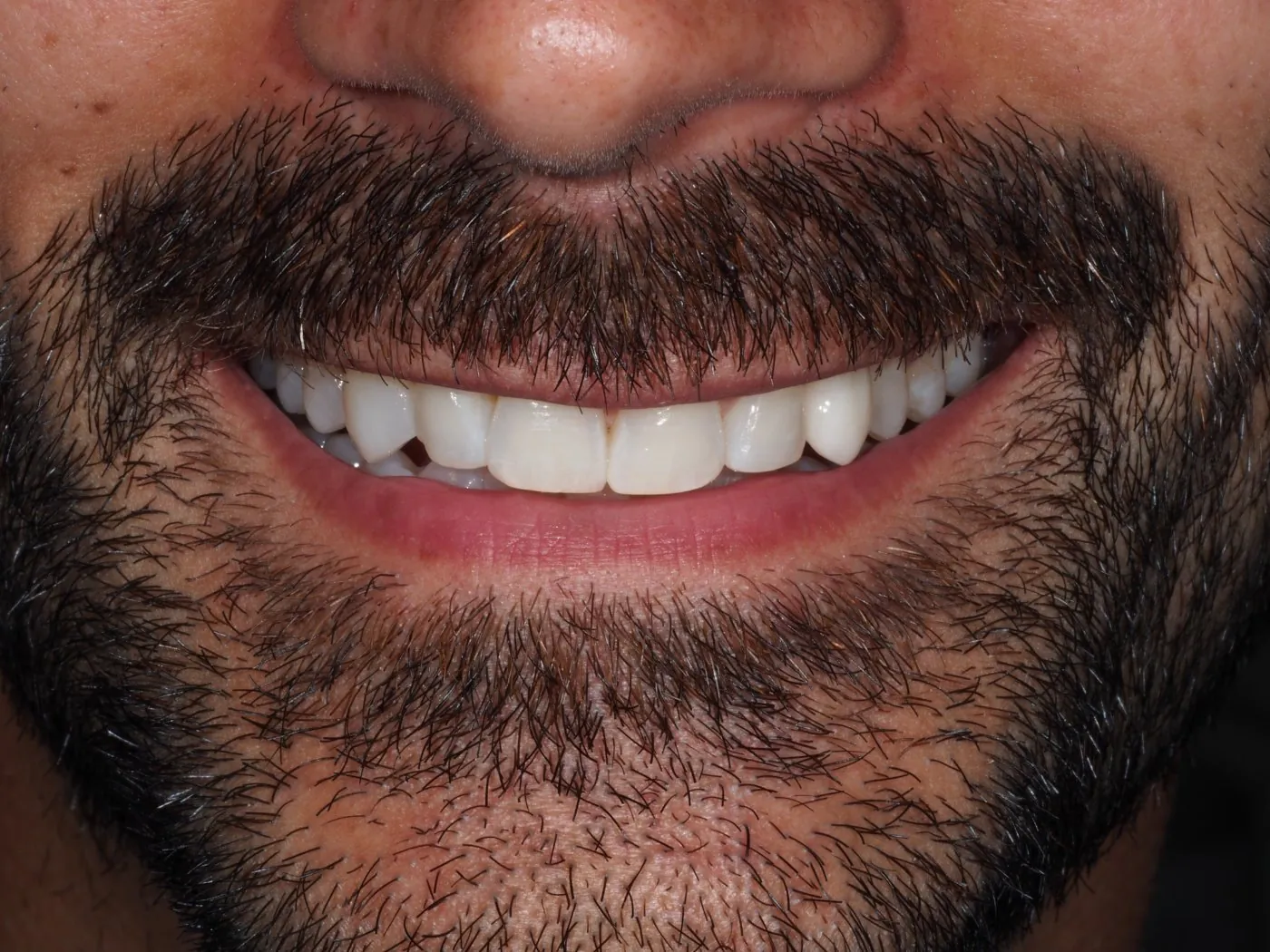 AfterInvisalign and an implant crownReplacing a missing eye tooth with Invisalign and an implantAbout 12 months
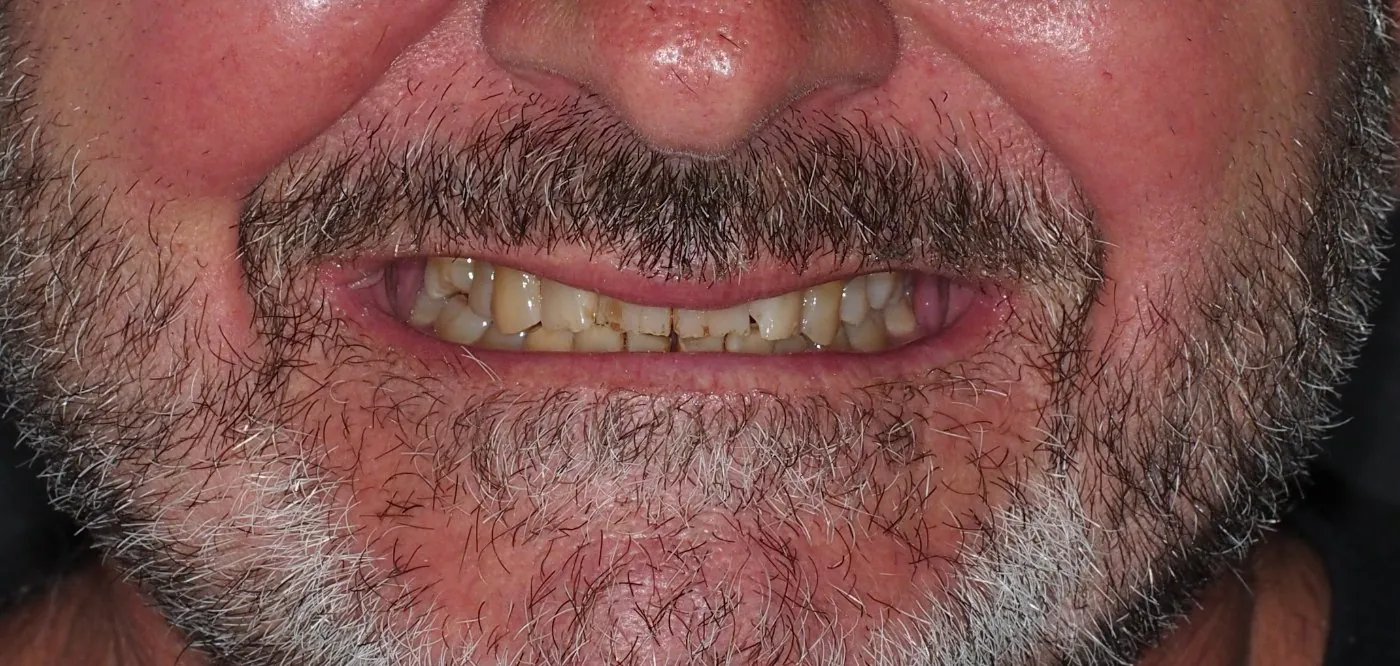 Before
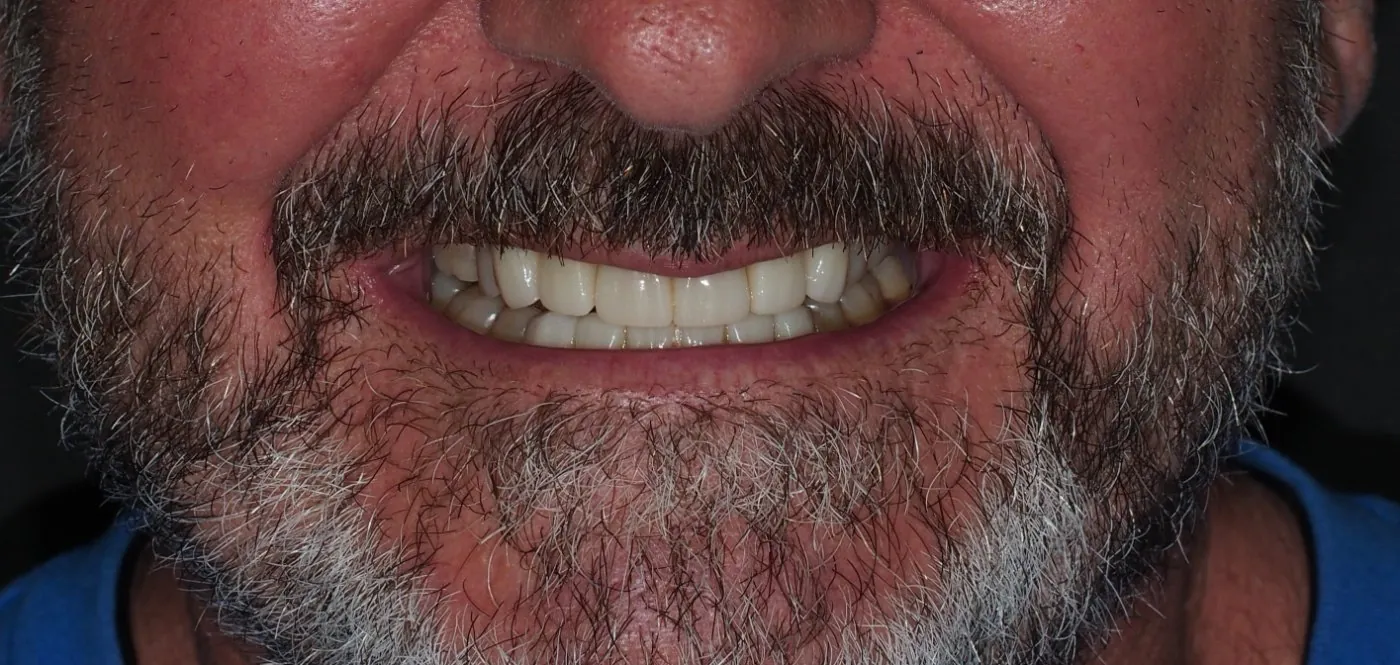 AfterFull-mouth rehabilitationRebuilding worn, sensitive teeth before a daughter’s wedding3 to 4 months
Photos of real Hayat Dental patients, published with consent. Individual results vary.
Your questions
Still unsure? Our team can talk it through with you.
Call 02 9030 0247Sedation options are discussed at consultation and recommendations depend on your treatment and medical history. Some options may be arranged outside the clinic if that is the more appropriate pathway.
Not necessarily. With conscious sedation you remain able to breathe independently and respond, although you may feel deeply relaxed and remember very little afterwards. General anaesthetic is different and is carried out in a hospital or day-surgery environment.
Local anaesthetic numbs the treatment area. Sedation changes how relaxed and aware you feel. They are different tools and may be used together.
After sedation, you should not drive unless you have specifically been told it is safe. Follow the written instructions you are given and arrange transport home where required.
Some forms of sedation require fasting. If fasting applies to you, exact instructions will be provided before treatment and should be followed carefully.
Sedation is generally very safe for suitable patients who have been properly assessed. Your medical history and treatment needs are reviewed before a recommendation is made.
With a conversation. Putting treatment off tends to make problems more complex and more costly, and can mean losing a tooth that could have been saved. Our aim is to do as little treatment as possible, and the earlier we see you, the simpler that usually is. We plan each visit around what helps you feel comfortable.
Options range from nitrous oxide (happy gas) for milder nerves through to IV sedation with our anaesthetist for very anxious patients or longer treatment. We recommend an option only after reviewing your treatment and medical history.
Explore related care
Read about the treatment you’re considering.
MAKE AN ENQUIRY
Send an enquiry and our team will contact you. To book an appointment, use our online booking portal. For urgent availability, please call the clinic.