01
Discomfort that persists
- Severe pain when chewing or applying pressure
- Sensitivity to hot or cold that lingers
- Persistent throbbing toothache
HAYAT DENTAL · BROADWAY, SYDNEY
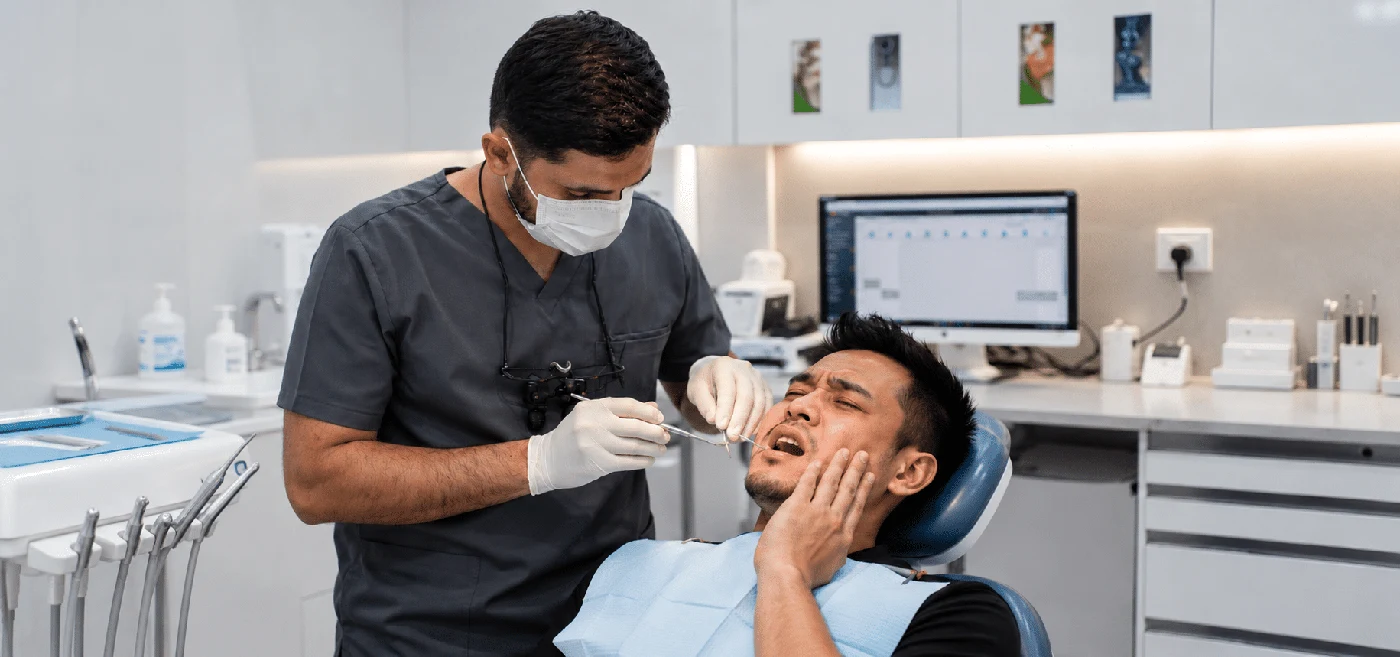
Tooth pain that lingers, or a tooth that has darkened, can mean the nerve inside is inflamed or infected. We assess the tooth, explain whether it can be saved and give you a clear quote before any treatment.
Digital X-rays
Clear assessment
Quote first
Before treatment starts
Gentle care
Comfort for anxious patients
Experienced dentists
Modern endodontic care
Understanding treatment
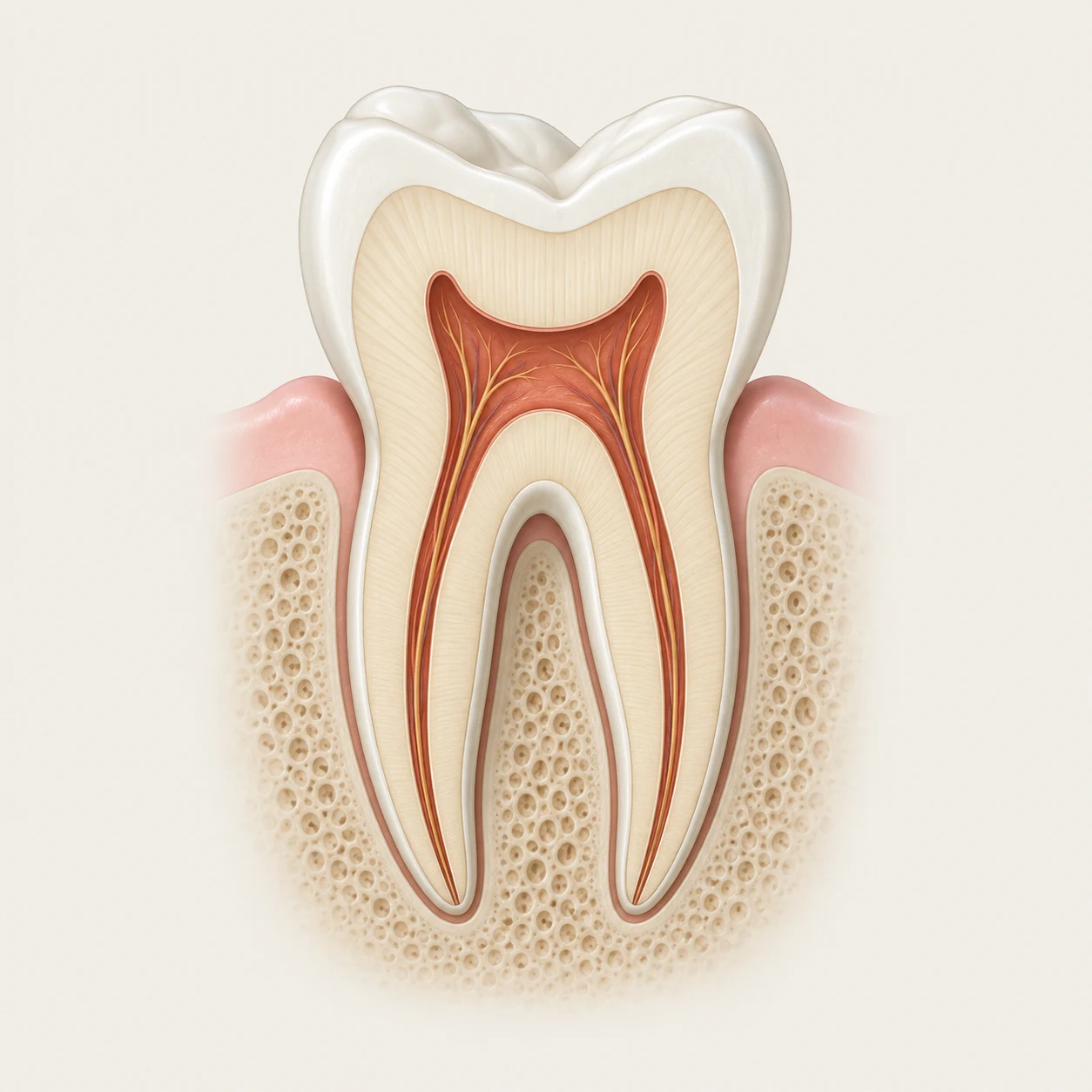
Root canal treatment removes inflamed or infected pulp from inside a tooth. Pulp contains nerves and blood vessels. Deep decay, cracks or an injury can damage it.
Your dentist cleans and disinfects the canals, fills them and restores the tooth with a filling or crown. The aim is to keep a tooth that can still be restored and used for biting and chewing.
An examination and X-rays help determine whether root canal treatment is suitable. Your dentist will explain the alternatives, likely number of visits and costs before you decide.
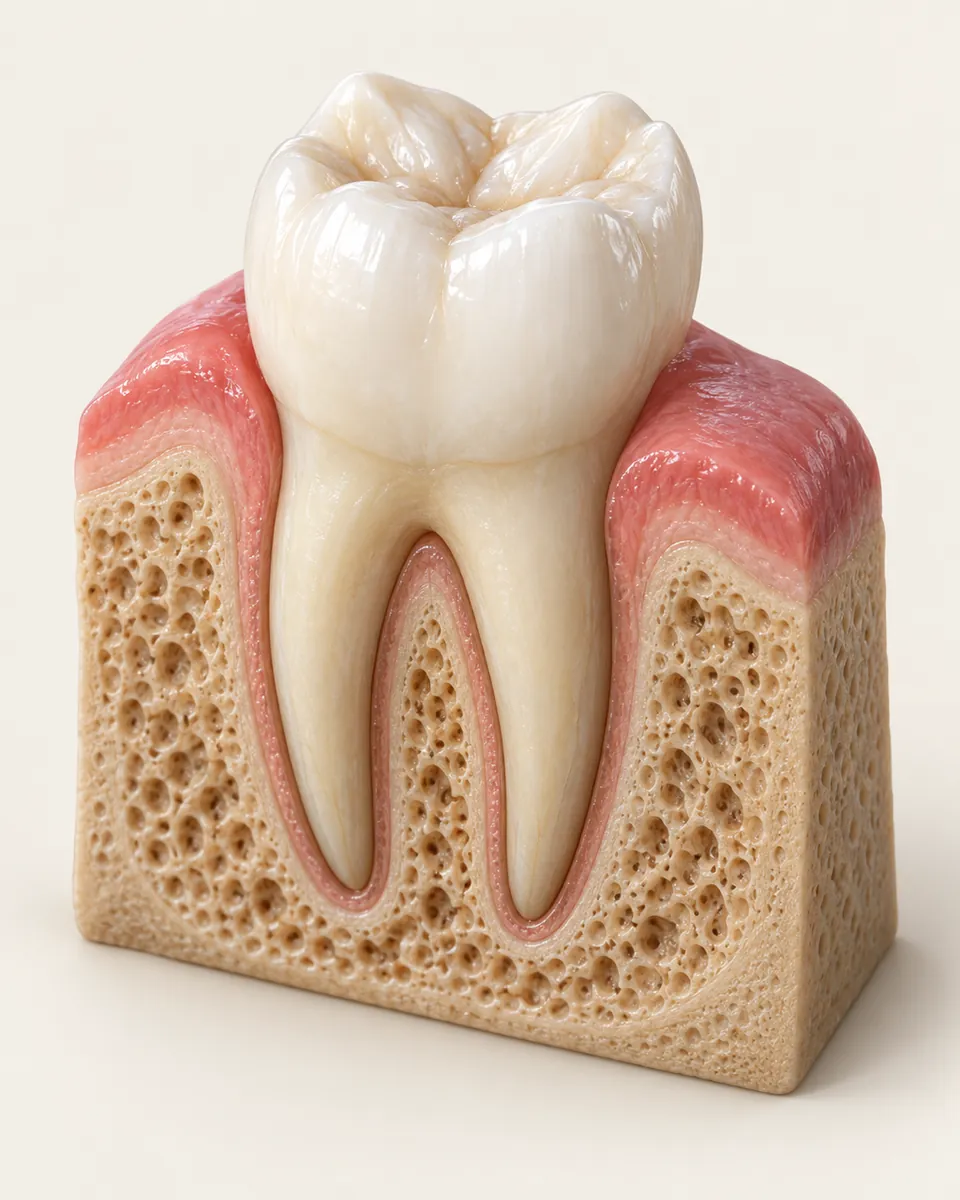
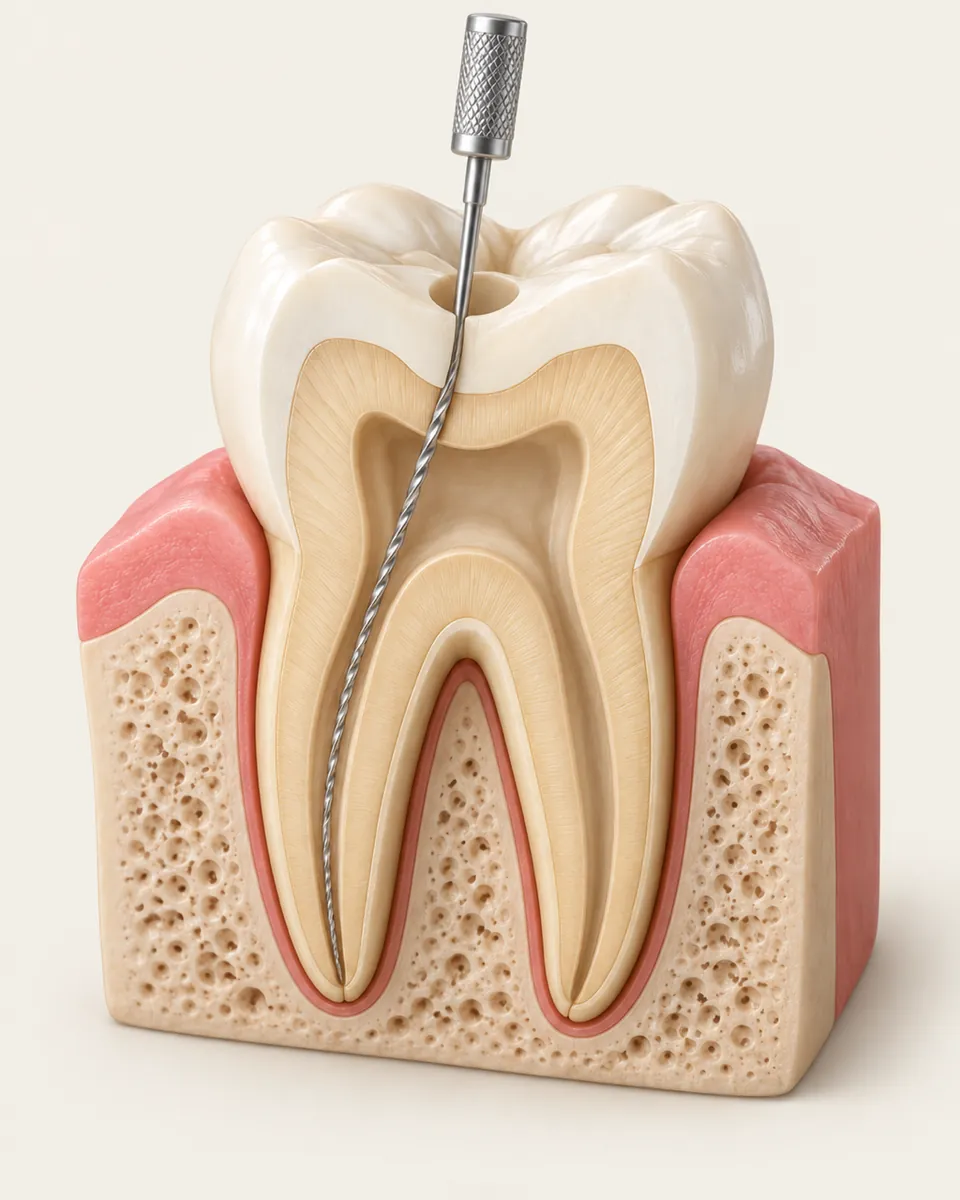
Simplified illustration: the pulp chamber connects to canals within the roots.
When to seek care
Pain, lingering sensitivity or swelling need a dental assessment. Symptoms alone cannot confirm whether you need a root canal.
01
02
03
Toothache or facial swelling?
Call for an urgent dental assessment. If swelling affects breathing or swallowing, call 000 or go to an emergency department. Call 02 9030 0247
Compare your options
Your dentist will recommend the treatment pathway that best matches the tooth, infection, and canal anatomy.
OPTION 1
Some teeth can be treated in one session. Suitability depends on the examination, infection and canal complexity; the final restoration may require another visit.
OPTION 2
Your dentist may stage treatment over several appointments, using a temporary filling between visits. The number and length of visits depend on your tooth and treatment plan.
OPTION 3
If a previously treated tooth causes problems, it may need further assessment and retreatment. Ask whether treatment can be completed here or requires referral to an endodontist.
TOOTHACHE THAT WON’T SETTLE?
Call our Broadway team. We’ll ask about your symptoms and arrange an assessment as soon as possible.
INSIDE THE TOOTH
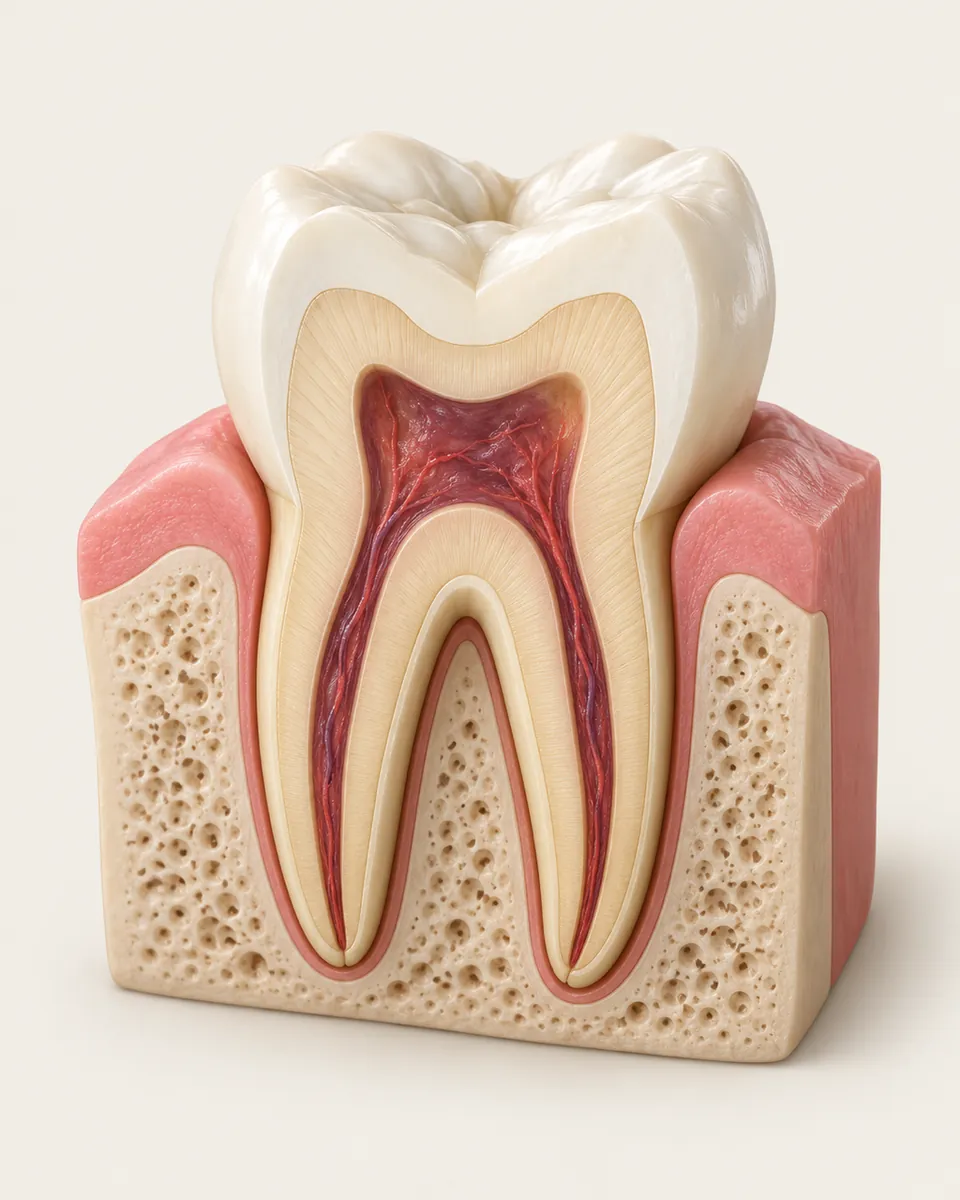
The treatment removes infected or inflamed pulp from inside the tooth, then seals it so the tooth can be kept.
01
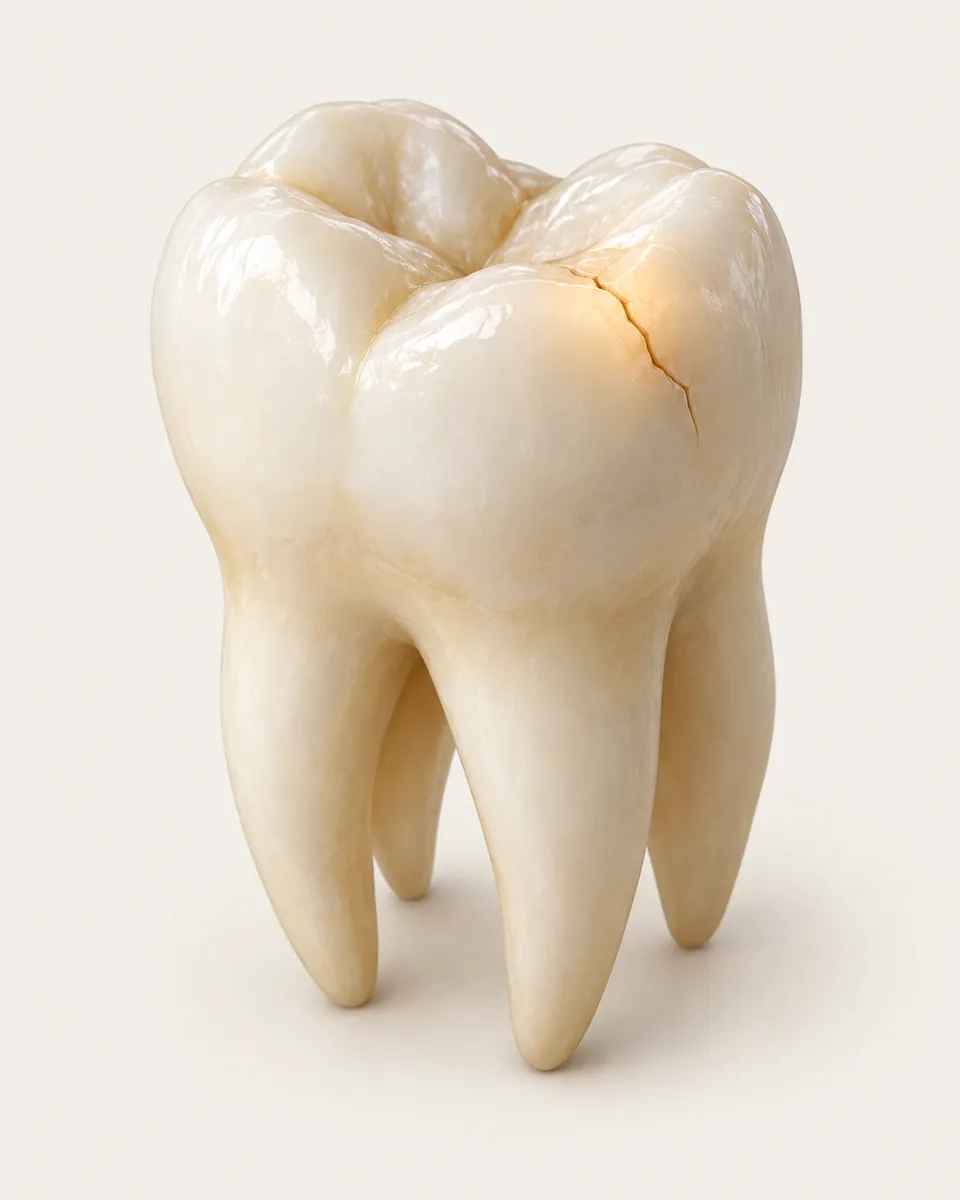
Deep decay, a crack or trauma lets bacteria into the soft tissue inside the tooth.
02
The pulp is removed and the canals are cleaned and shaped under local anaesthetic.
03
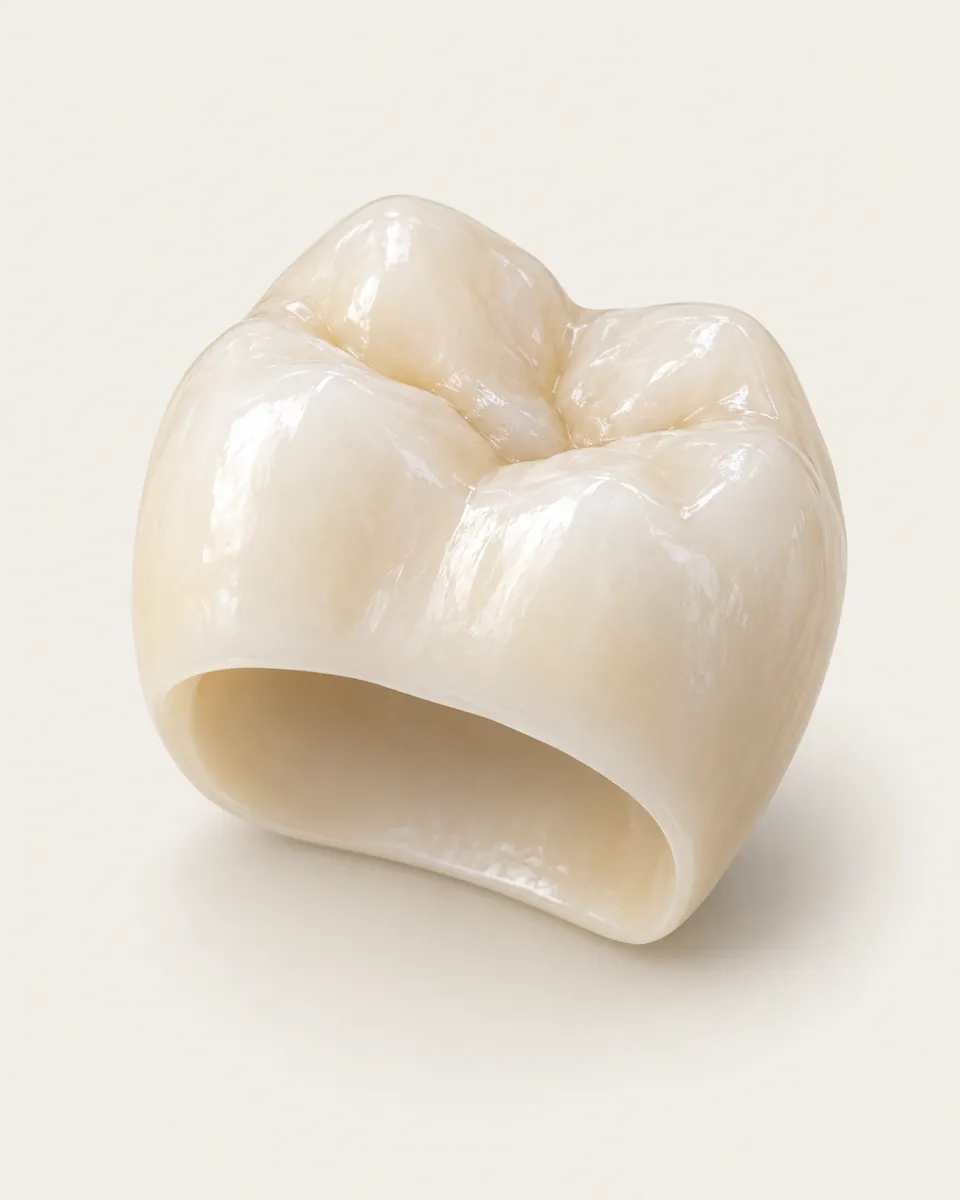
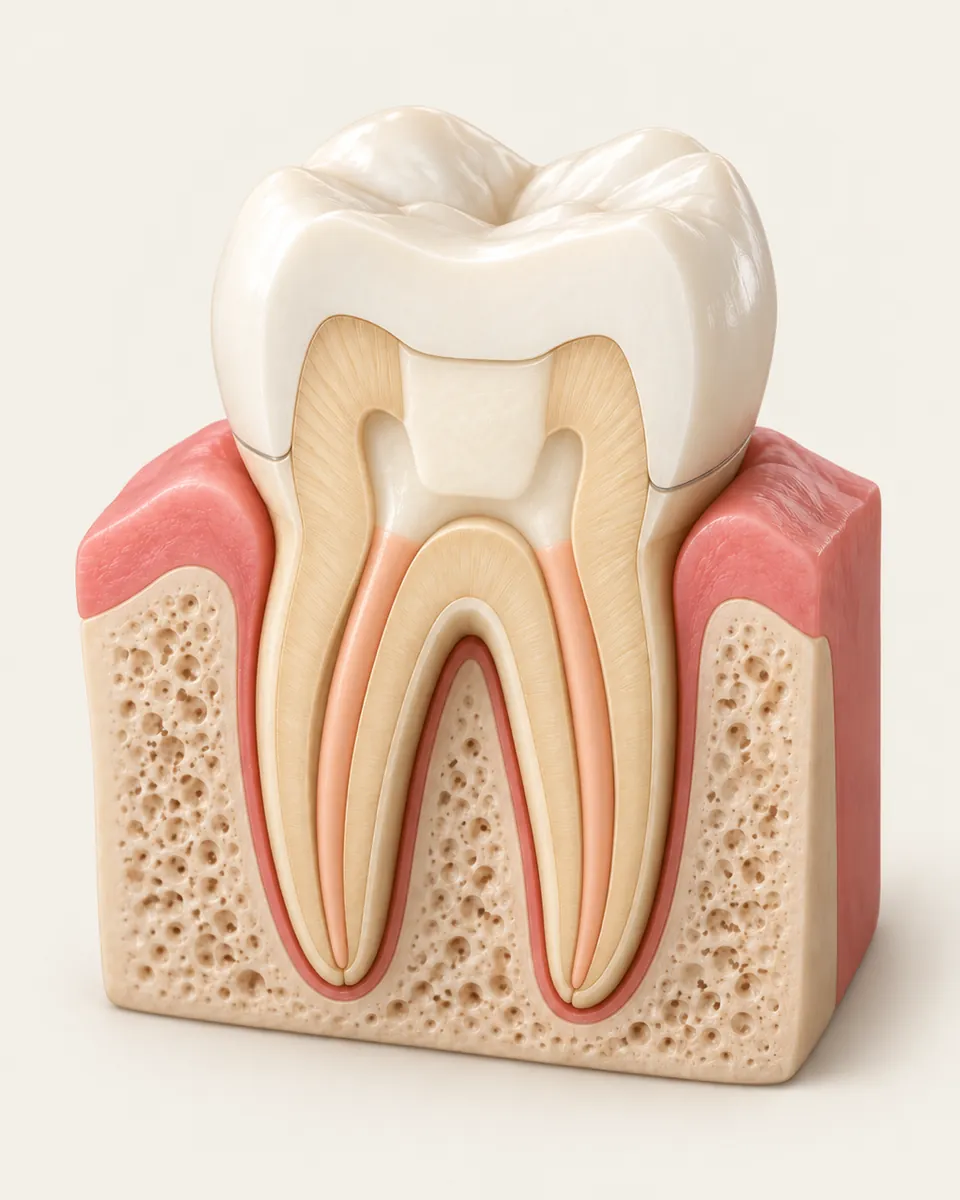
The canals are filled and sealed. Many back teeth then need a crown for strength.
What to expect
Each stage is explained before treatment so you know what will happen and why.
Book online01
Your dentist examines the tooth and discusses whether it can be restored, including the alternatives and any need for specialist care.
02
Local anaesthetic is used for comfort. A rubber dam isolates the tooth during treatment.
03
The damaged pulp is removed and the canals are cleaned and shaped.
04
The canals are filled and sealed. A temporary filling may be needed between appointments.
05
A filling or crown protects the tooth. The choice depends on its position and remaining tooth structure.
06
Follow your dentist’s care instructions and attend the recommended reviews.
SAVE OR REMOVE?
Where a tooth can be saved, root canal treatment keeps your natural tooth. Your dentist will explain which option suits the tooth.
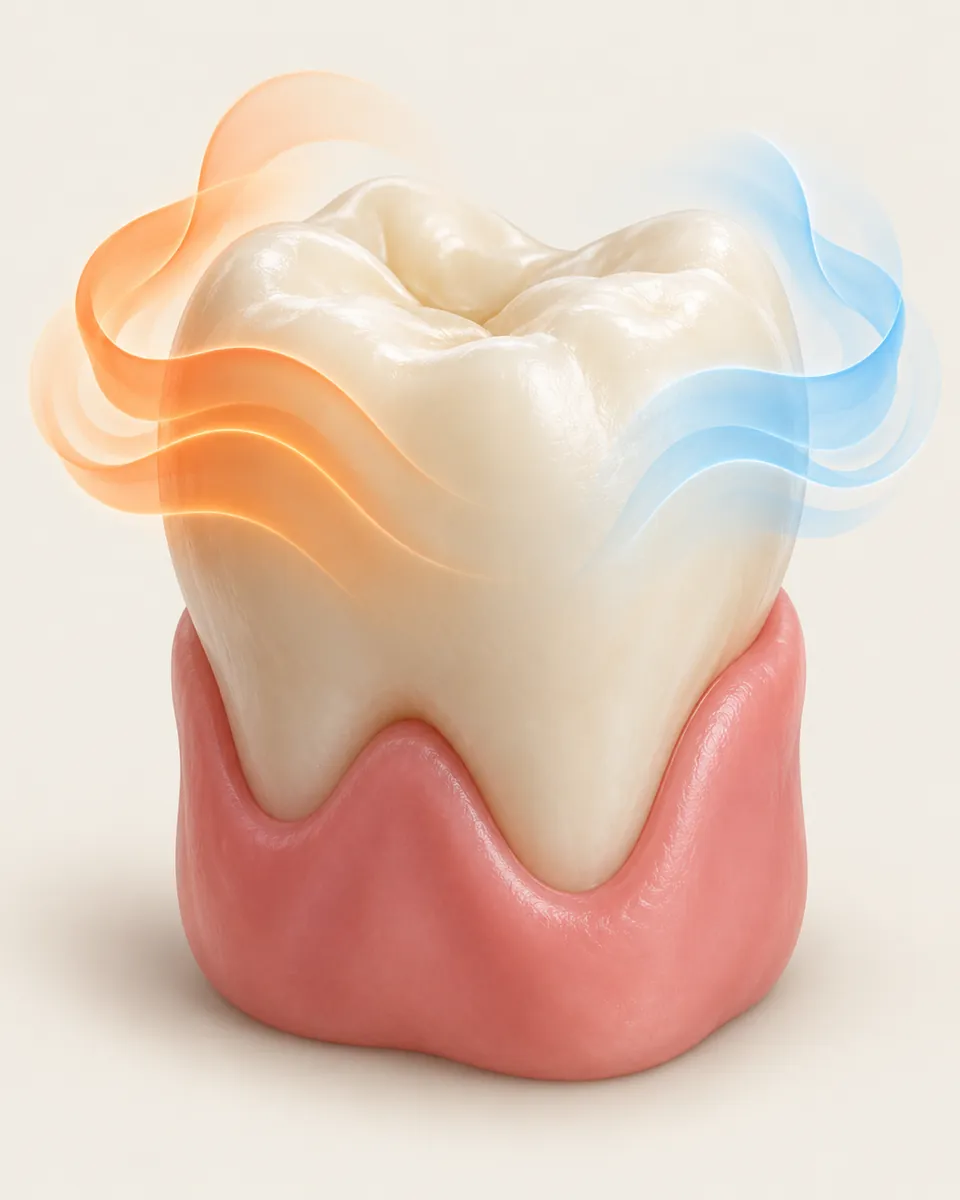
Lingering sensitivity to hot or cold, pain when biting, or a darkening tooth.
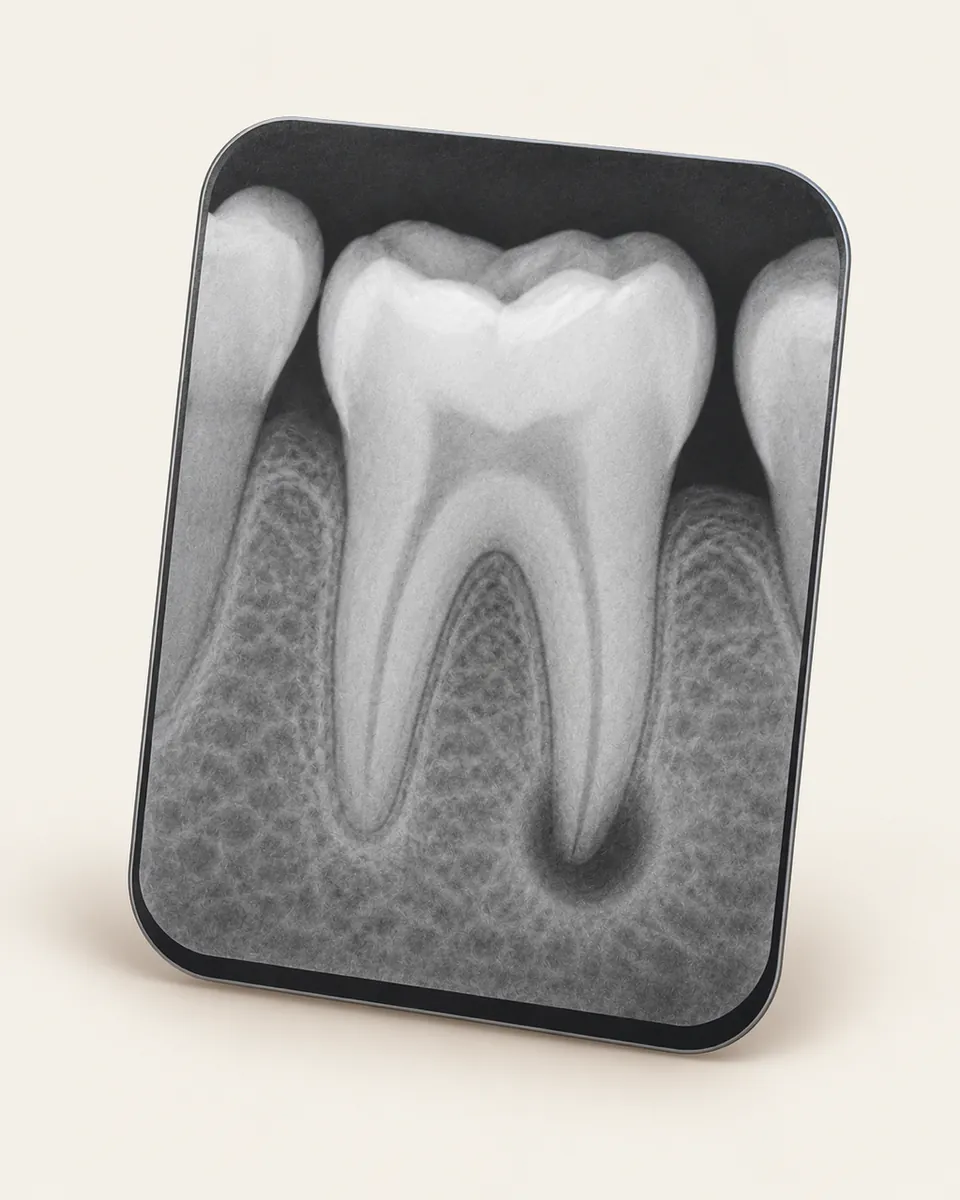
Imaging shows whether infection has reached the root tip.
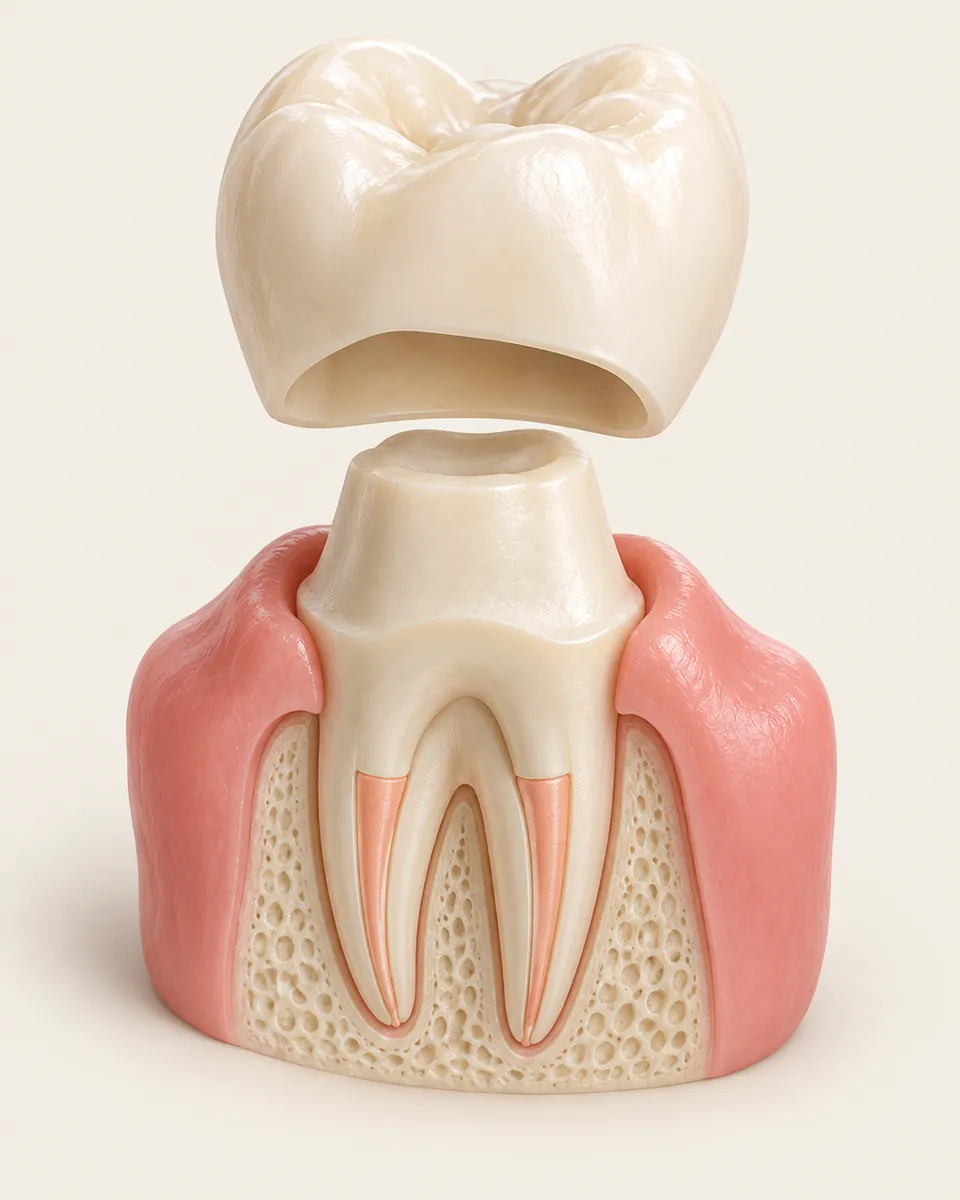
Many back teeth need a crown after root canal treatment.
Root canal treatment
Keeps your natural tooth and root
Usually one to two visits
Often followed by a crown
Tooth extraction
Removes the tooth completely
A gap is left to consider replacing
Implant, bridge or denture may follow
Plan with confidence
Your cost depends on the tooth, the number and complexity of canals, and whether further treatment or a crown is needed. Request an assessment for a personalised quote.
Make an enquiryAfter your visit
Your dentist will give you instructions suited to your treatment.
Wait until numbness has worn off before eating. Avoid hard foods on the tooth until your dentist advises it is ready.
Contact the clinic if pain or swelling increases, or if a temporary filling comes out.
Keep the area clean and return for your final restoration and recommended reviews.
Why Hayat Dental
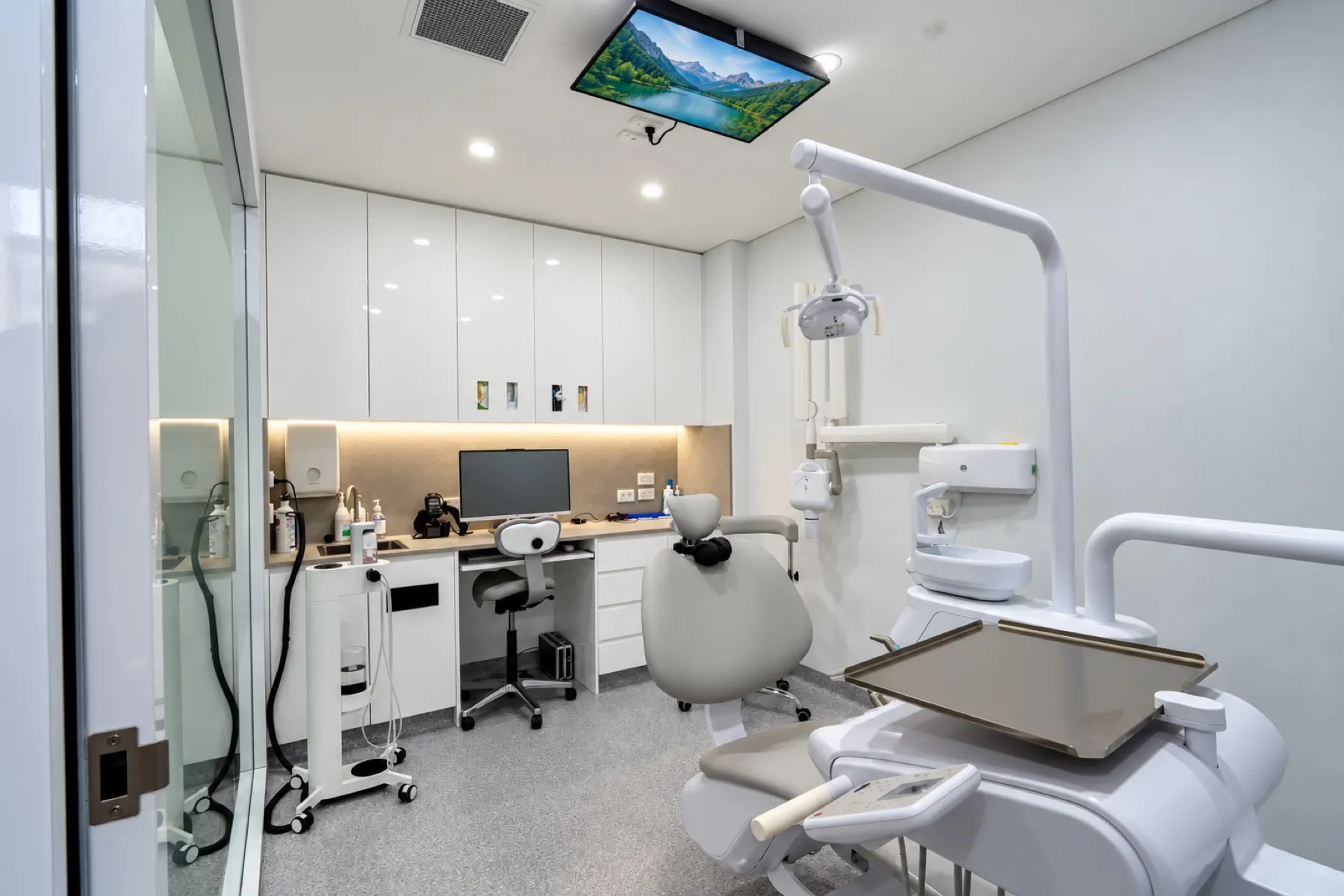
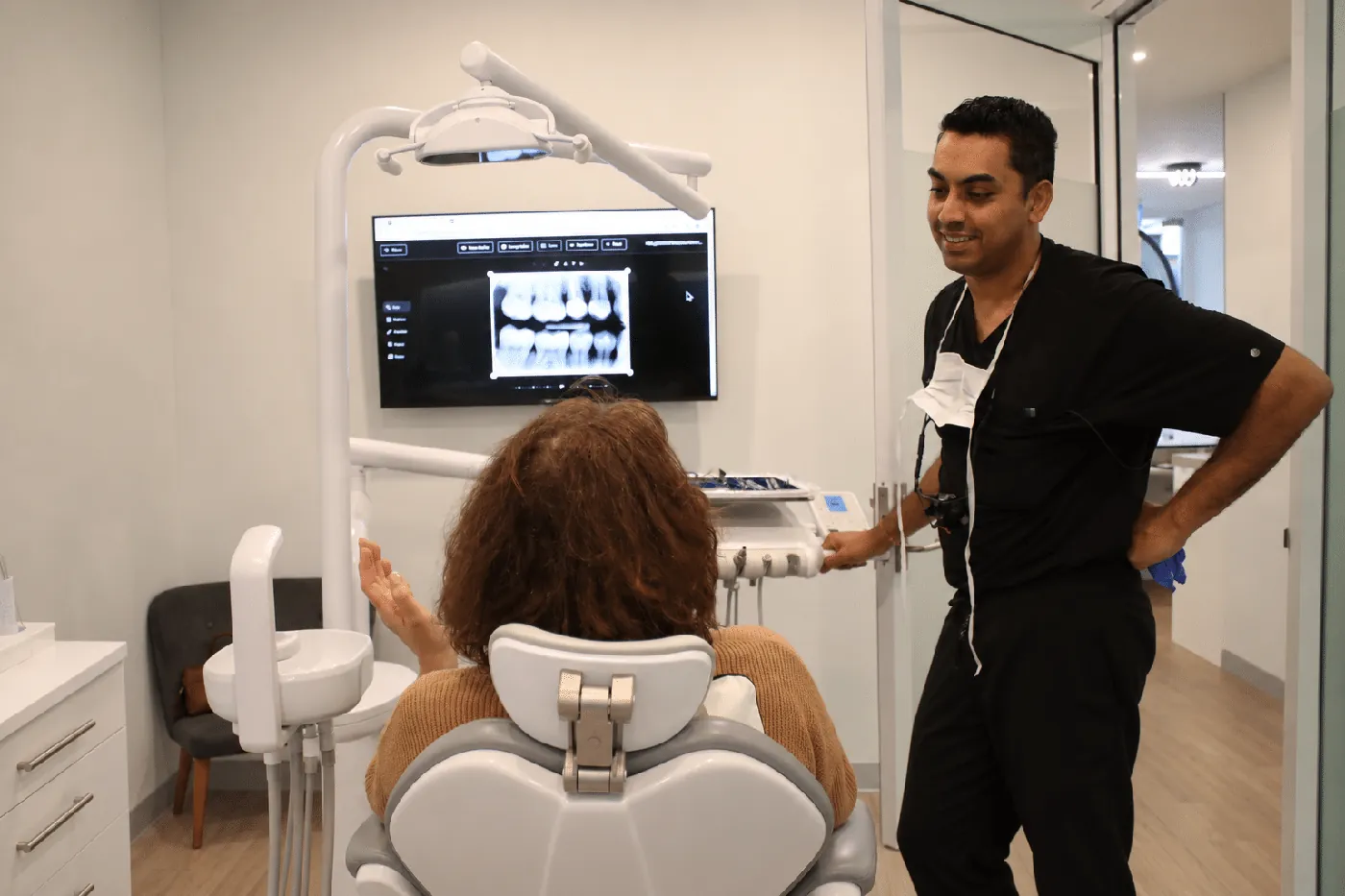
X-rays and examination help your dentist assess your tooth and plan treatment.
Ask about the benefits, limitations and alternatives so you can make an informed choice.
Your treatment plan explains the proposed care and costs. Ask about your health-fund benefits.
Tell us if dental visits make you nervous. We can discuss comfort options appropriate to your care.
A GOOD PLACE TO START
An assessment and X-rays show what is happening inside the tooth. You’ll know the options, and the costs, before you decide.
Patient feedback
Recent reviews from our patients on Google.
REAL PATIENT CASES
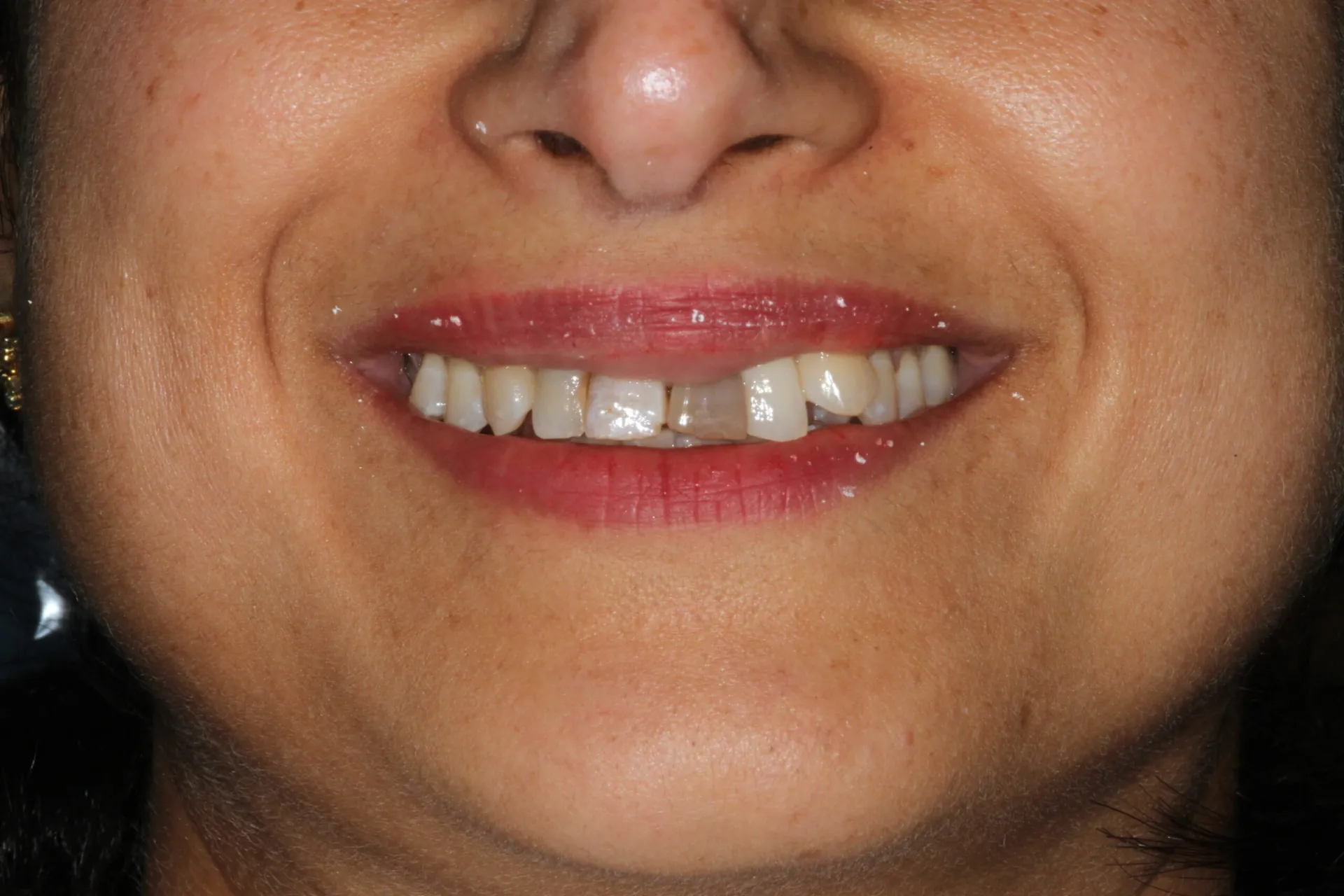 Before
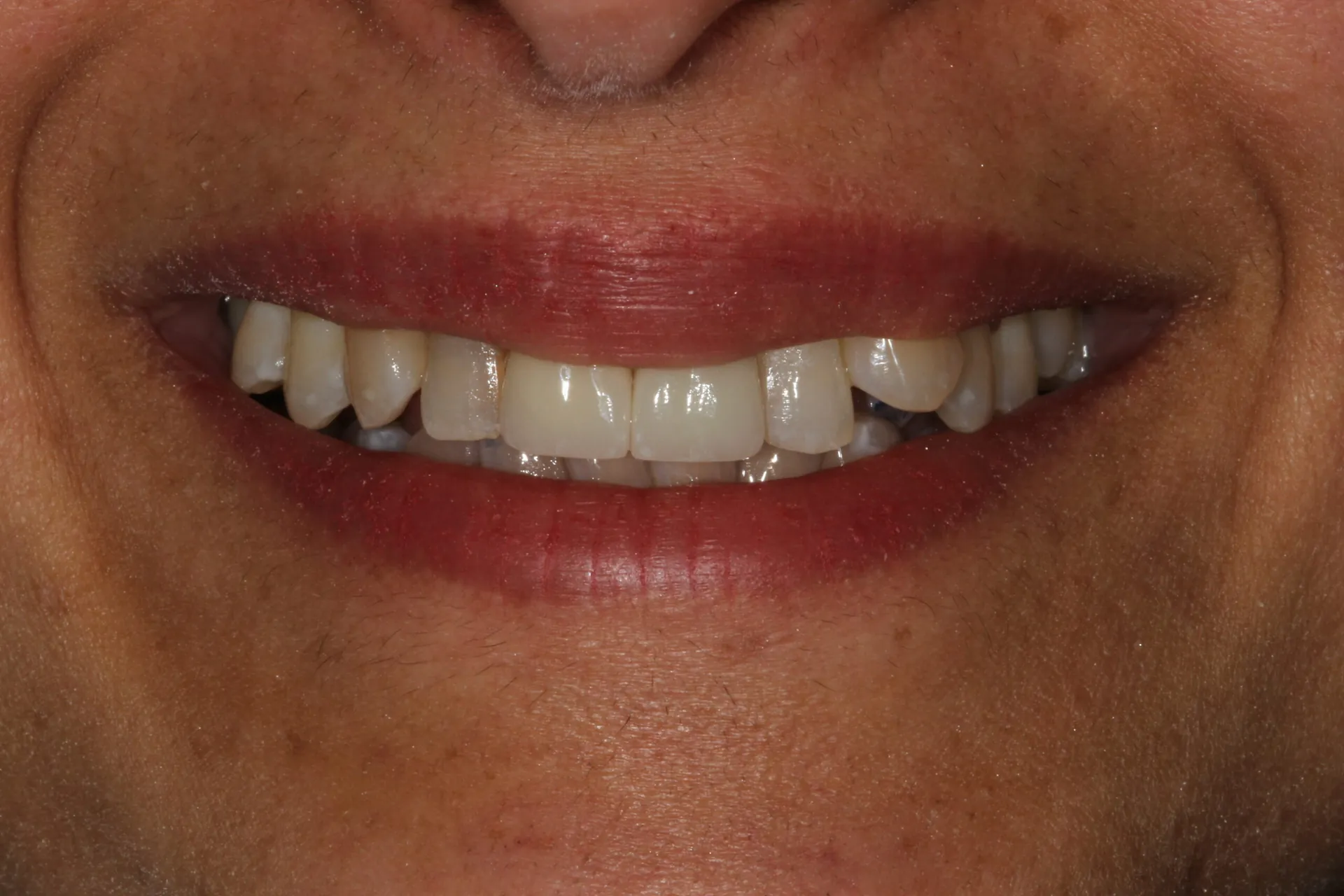 AfterWhitening and porcelain crownsRestoring a dark front tooth before a family weddingAbout 1 month
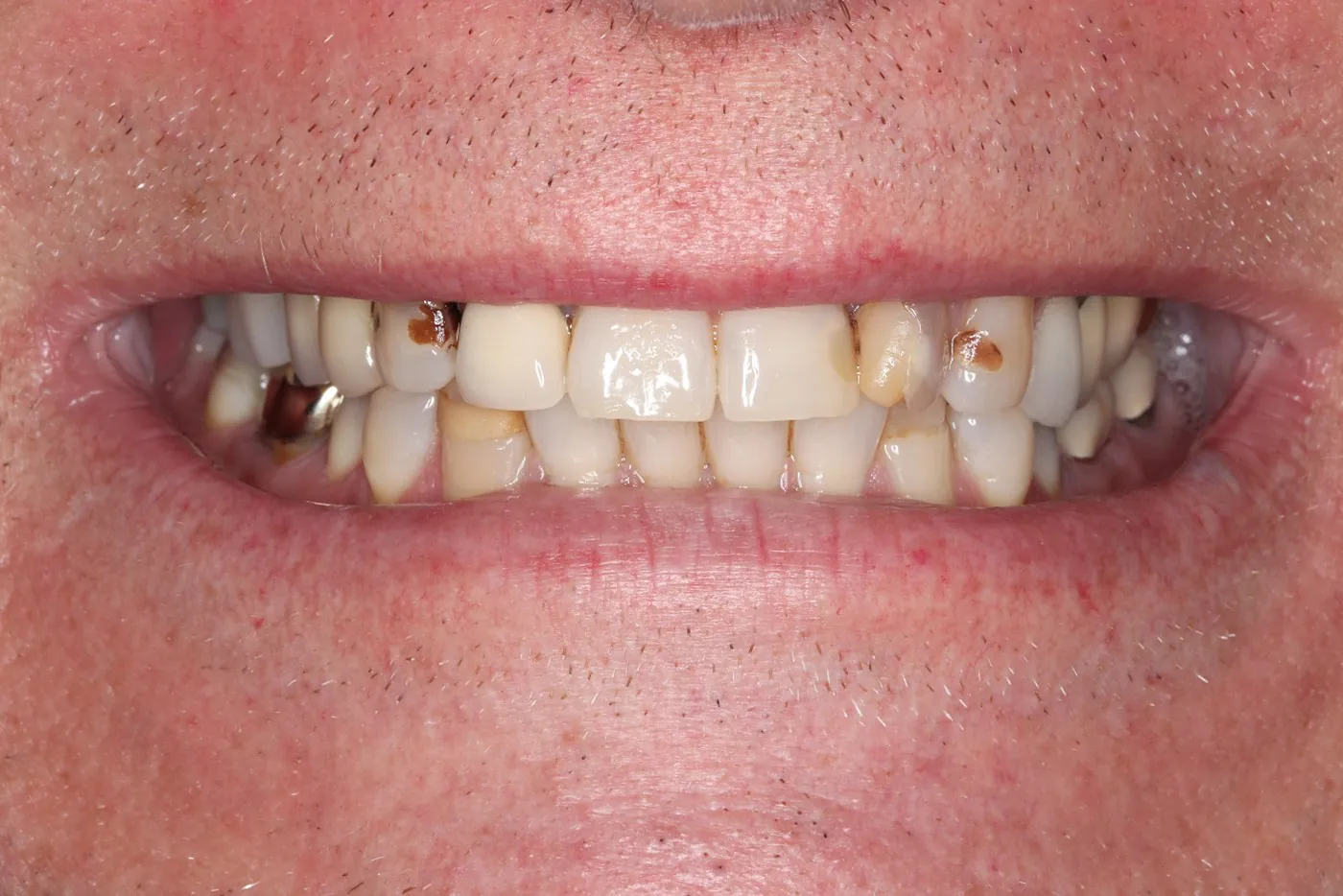 Before
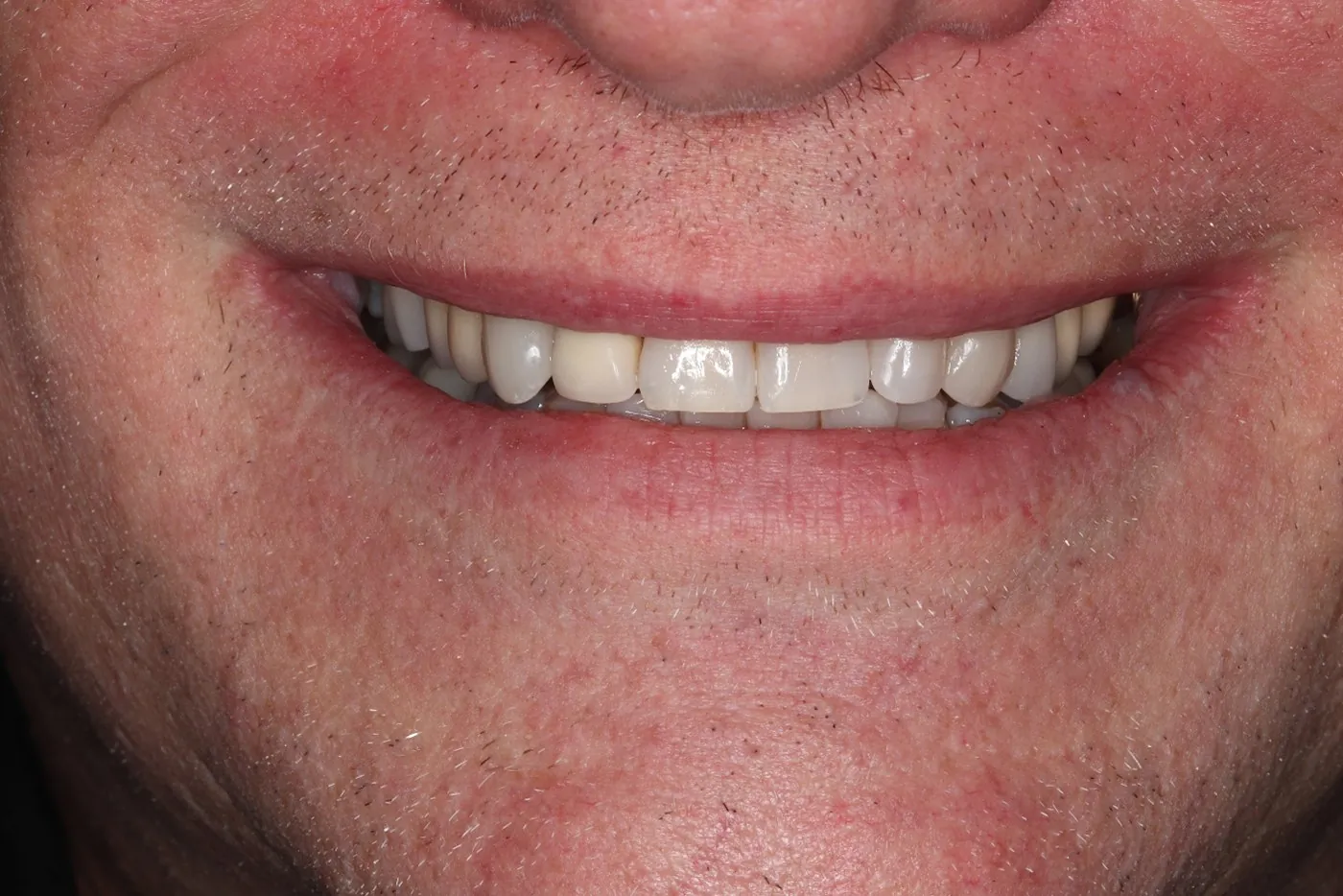 AfterSix crownsSix crowns to replace stained, 15-year-old dental workAbout 3 weeks
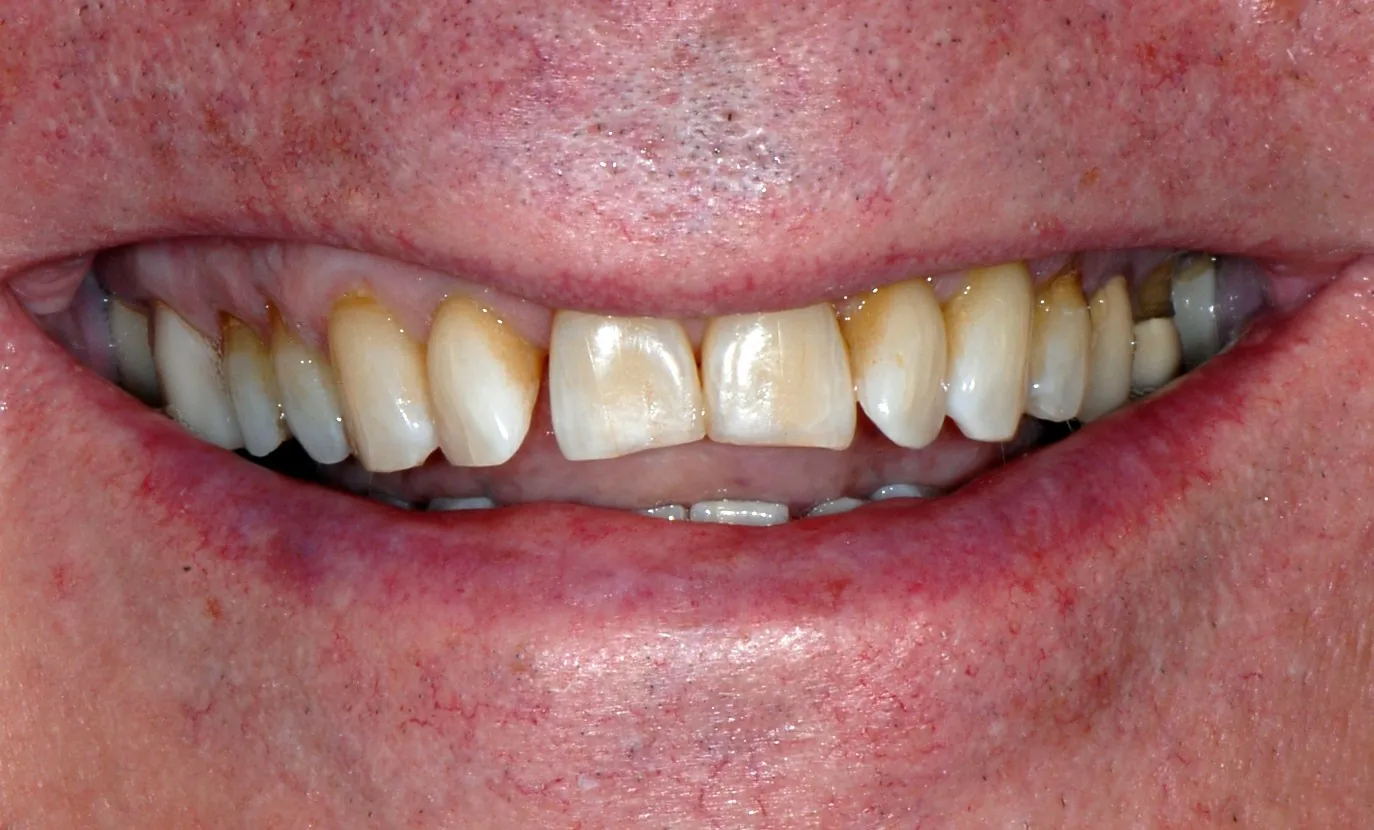 Before
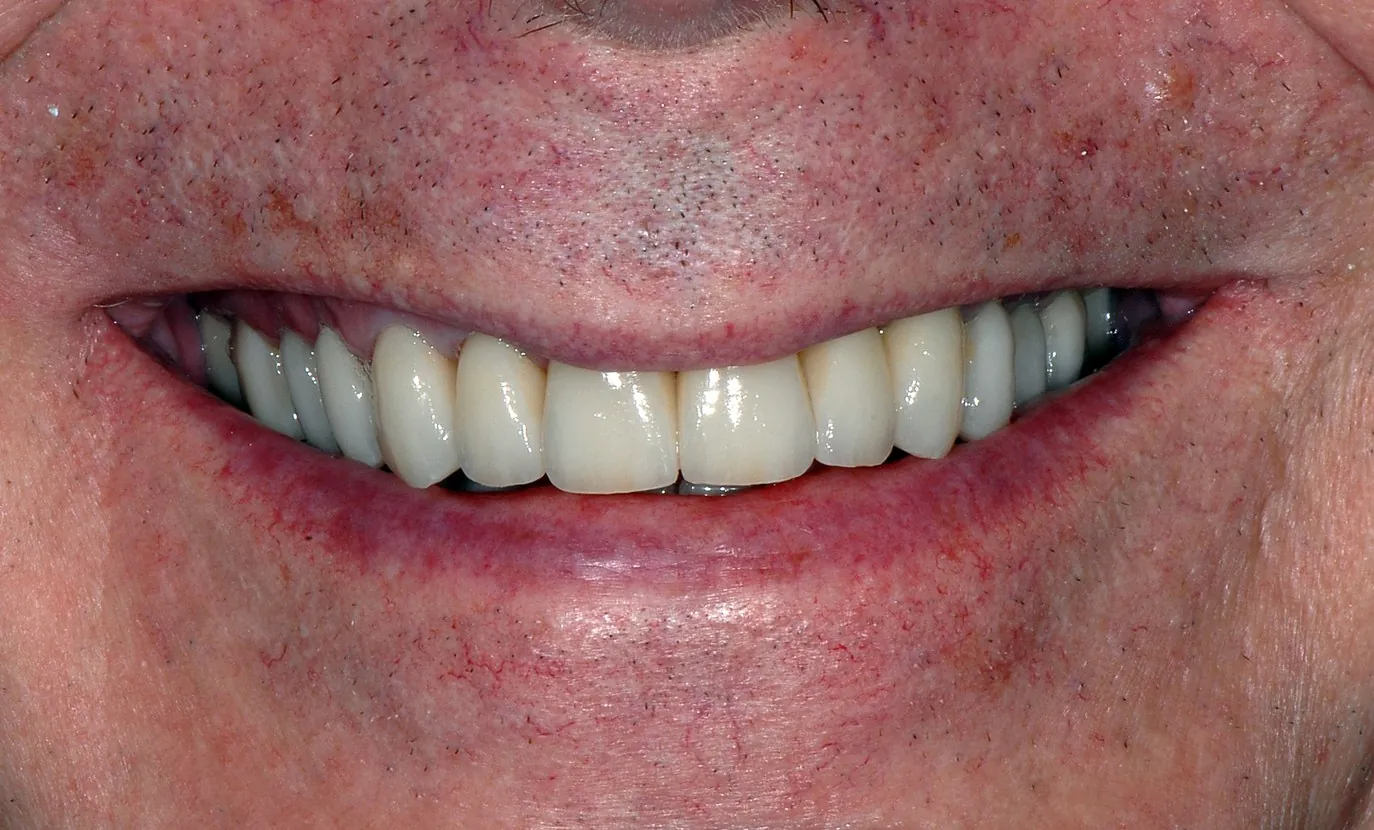 AfterSmile design and crownsFour crowns to fix a reverse smile line, gaps and staining3 to 4 weeks
Photos of real Hayat Dental patients, published with consent. Individual results vary.
Your questions
Still unsure? Our team can talk it through with you.
Call 02 9030 0247Local anaesthetic is used to make treatment comfortable. Some tenderness afterwards is possible. Tell your dentist if you feel discomfort during the procedure.
A quote depends on the tooth, canal complexity and restoration needed. Ask whether examinations, X-rays and a filling or crown are included.
Some cases can be treated in one session; others need several. Your dentist will estimate the timing after assessing the tooth.
A crown may be recommended, particularly for a back tooth or a tooth with less remaining structure. Your dentist will discuss the most suitable restoration.
Extraction may be an alternative if the tooth cannot be saved or you choose not to proceed. Root canal treatment can sometimes fail or need further treatment; risks include persistent infection, fracture or instrument complications. Discuss the risks relevant to your tooth.
Antibiotics alone do not remove the source of an infection inside a tooth. Your dentist will assess what treatment is needed.
A treated tooth may last for many years with an appropriate restoration and ongoing care. Its lifespan varies; no result can be guaranteed.
Explore related care
Depending on your tooth, these treatments may be part of the plan.
MAKE AN ENQUIRY
Send an enquiry and our team will contact you. To book an appointment, use our online booking portal. For urgent availability, please call the clinic.